
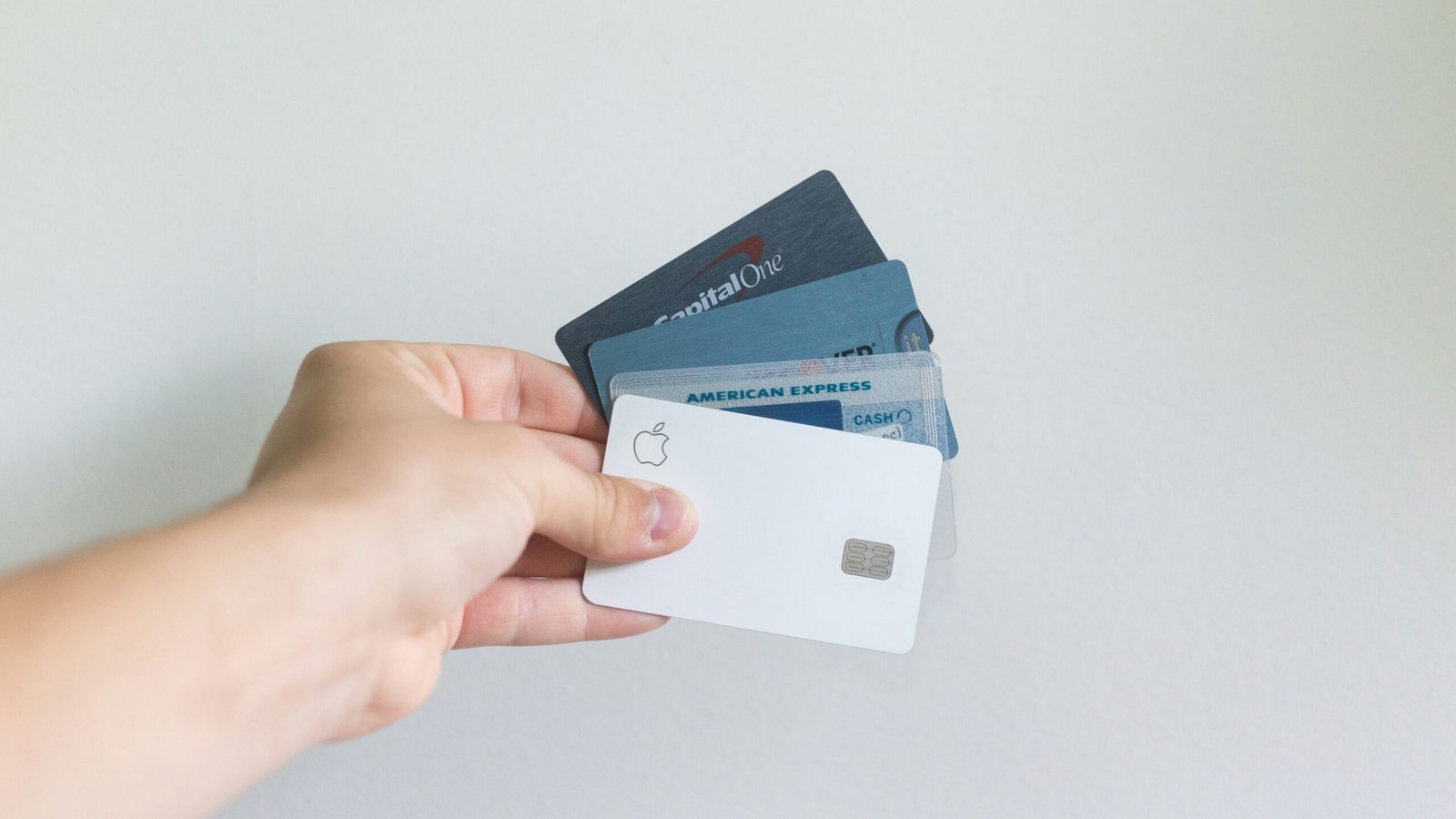
Quick answer: A number of US banks and fintech card issuers now accept an ITIN or, in some cases, a passport alone in place of an SSN on credit card applications, particularly for secured cards and products explicitly built for immigrants and international students. Availability and exact requirements vary by issuer and can change, so always confirm current policy directly on the issuer’s application page before applying.
Why «No-SSN» Products Have Grown
As international student enrollment and skilled-worker immigration have remained strong, demand for credit products that don’t require an SSN has grown alongside it, prompting more banks and fintechs to build applications around ITIN or passport-based identity verification instead.
What to Check Before Applying to a «No-SSN» Card
Whether the card accepts an ITIN, a passport alone, or requires you to apply for an ITIN first.
Whether it reports to all three credit bureaus, essential for the account to actually build your credit history.
Whether a US address and proof of it, such as a lease, is required, which is nearly universal.
Whether there’s a deposit requirement, since most no-SSN options are secured cards.
Common Categories of No-SSN Cards
- Secured cards from newcomer-focused issuers, which typically accept ITIN or passport verification alongside a refundable deposit.
- Fintech credit-builder products, some of which are built specifically around visa holders and international students, often integrating directly with a linked bank account.
- University or community-bank partnerships, occasionally offering simplified applications for international students at partner institutions.
Does «No-SSN» Mean No Identity Verification at All?
No — issuers still verify your identity thoroughly, typically through your passport, visa, and proof of address, along with an ITIN in many cases. The SSN is simply not a required piece of that verification; it doesn’t mean the application process skips identity checks altogether.
How to Stay Current on Which Cards Accept This
Because policies change relatively often in this category, checking the issuer’s own current application requirements directly, rather than relying on older articles or forum posts, is the most reliable way to confirm eligibility before applying.
Frequently Asked Questions
Can I apply for a no-SSN card from outside the US before I arrive? Most require a US address, so applications are generally only possible after arrival, though a small number of banks allow starting the process remotely in limited cases.
Do no-SSN cards have worse terms than SSN-based cards? Not inherently — many are simply the secured or credit-builder category of card, with terms comparable to similar SSN-based products in the same category.
Will I eventually need an SSN even with one of these cards? Not necessarily, though many users update their account with an SSN later if they become eligible for one, such as through subsequent work authorization.
This article is for educational purposes only and does not constitute financial or immigration advice. Card availability and requirements change over time — verify current details directly with each issuer.
Article 31
SEO Title: How to Open a US Bank Account Before Applying for a Credit Card
Meta description: A US bank account is often the first step toward getting approved for a credit card. Here’s exactly what you need and how the process works.
Slug: /how-to-open-us-bank-account-before-credit-card/
How to Open a US Bank Account Before Applying for a Credit Card
Quick answer: Opening a US checking account typically requires a valid passport or other government ID, proof of a US address, and either an SSN or ITIN depending on the bank. Many banks allow account opening without an SSN for newcomers, and having an established banking relationship can meaningfully improve your odds when you later apply for a credit card with the same institution.
Why Open a Bank Account First?
Some credit card issuers give preference, or offer certain products exclusively, to their own existing customers. A bank account also gives you a documented US financial footprint, such as direct deposits or bill payments, which can support a credit card application even before you have any credit history.
What You’ll Typically Need
A valid passport, and in some cases a secondary form of ID such as a visa or driver’s license.
Proof of a US address, commonly a lease, university housing confirmation, or a utility bill.
An SSN if you have one; if not, many banks accept an ITIN or, for very recent arrivals, allow account opening with a plan to add one later.
An initial deposit, since most checking and savings accounts require a minimum opening balance.
Can You Open an Account Before Arriving in the US?
A small number of major banks offer a remote or pre-arrival account opening process for certain visa categories, particularly aimed at international students, allowing you to have an account ready before you land. This isn’t universal, so check directly with banks that have specific newcomer or international programs.
In-Person vs Online Account Opening
Many newcomers find it easier to open their first US account in person, since bank staff can review original documents on the spot and answer questions about which identification options are accepted. Online-only account opening is increasingly available too, though it may have narrower identification requirements.
Does Your Choice of Bank Matter for a Future Credit Card?
It can. If you know which bank’s credit card you’re eventually targeting, particularly one with a newcomer-focused card, opening your checking account with that same institution first can streamline the credit card application later and, in some cases, improve your approval odds.
Frequently Asked Questions
Do I need a minimum balance to keep the account open? Some accounts require a minimum balance or monthly activity to avoid a maintenance fee; student and newcomer-focused accounts often waive this requirement.
Can I use my bank account before my credit card arrives? Yes, a checking account and debit card are typically usable immediately, independent of any credit card application timeline.
Does a checking account itself build credit? No, checking and savings accounts are not reported to credit bureaus; only credit accounts, like a credit card or loan, build your credit history.
This article is for educational purposes only and does not constitute financial or immigration advice. Requirements vary by bank and change over time.
Article 32
SEO Title: Best Credit Cards for Digital Nomads and Remote Workers on a Visa
Meta description: Working remotely in the US on a visa? Here’s how to find a credit card that fits frequent travel and irregular income documentation.
Slug: /best-credit-cards-digital-nomads-visa/
Best Credit Cards for Digital Nomads and Remote Workers on a Visa
Quick answer: Remote workers and digital nomads on a US visa generally benefit most from a card with no foreign transaction fees, wide acceptance while traveling, and flexible income documentation, since pay stubs from a foreign employer or self-employment income can be harder to verify than a standard US paycheck. A secured card remains the fallback if you don’t yet have enough US credit history for an unsecured travel-friendly card.
Why This Profile Is a Bit Different
Unlike a traditional employee with a single US employer and a standard pay stub, many remote workers on a visa are paid by a foreign company, work as contractors, or have variable income, which can complicate income verification during a credit card application even though their actual financial stability may be solid.
What to Prioritize When Choosing a Card
- No foreign transaction fees, essential if you’ll be charging purchases while traveling internationally.
- Flexible income documentation options, since some issuers accept bank statements or tax returns in place of a standard pay stub.
- Wide card network acceptance, since Visa and Mastercard networks tend to have broader international acceptance than some alternatives.
- Digital-first account management, useful if you’re frequently changing locations and relying on a mobile app rather than in-person banking.
Should You Start With a Secured Card While Building US History?
If you have little or no US credit history yet, yes — a secured card remains the most reliable approval path regardless of your income structure, since it’s underwritten primarily against your deposit rather than a complex income profile.
Documenting Irregular or Foreign-Sourced Income
Some issuers explicitly allow you to report income from any legal source, including foreign employment, freelance platforms, or investment income, on a credit card application, not just a traditional US salary. It’s worth reading the application’s income section carefully, since acceptable income sources vary by issuer.
Managing a Card While Traveling Frequently
Setting up account alerts, enabling international transaction notifications if available, and keeping a backup card from a different network can help reduce disruptions if a card is temporarily flagged for unusual activity while you’re traveling.
Frequently Asked Questions
Do foreign transaction fees really add up? Yes, a typical foreign transaction fee around 3% can become meaningful if a large share of your spending happens outside the US.
Can I qualify for a card using only freelance income? Many issuers accept self-employment or freelance income, though you may need to provide additional documentation such as bank statements or tax filings.
Should I get a card from a bank with international branches? It can be convenient if you travel to regions where that bank has a physical presence, though it’s not strictly necessary given how widely major card networks are accepted.
This article is for educational purposes only and does not constitute financial or immigration advice.
Article 33
SEO Title: Nova Credit and International Credit History: Does It Actually Help
Meta description: Nova Credit lets some lenders review your international credit history. Here’s how it works and its real limitations for newcomers to the US.
Slug: /nova-credit-international-credit-history/
Nova Credit and International Credit History: Does It Actually Help
Quick answer: Nova Credit is a service that allows a limited number of US lenders to review certain applicants’ credit history from select other countries, potentially supporting an application even without US credit history. It can genuinely help with a small number of participating lenders and eligible countries, but it is not a universal solution, since most US credit card issuers still rely entirely on domestic credit bureau data.
What Nova Credit Actually Does
Nova Credit acts as a bridge between certain foreign credit bureaus and a limited number of participating US lenders, translating an applicant’s credit history from an eligible home country into a format the US lender can review during underwriting.
Which Countries and Lenders Are Typically Involved
Participation is limited to specific partnered countries and a relatively small number of US lenders and card issuers who have integrated with the service. Coverage has expanded over time but still represents a fraction of the overall US credit card market, so it should be treated as one possible option rather than a guaranteed path.
Does Using Nova Credit Guarantee Approval?
No. It simply provides additional information for a lender’s underwriting process; the lender still makes its own approval decision based on that data, along with your income, identification, and other standard factors.
What If Your Country or Target Lender Isn’t Supported?
If neither your home country nor the card you want to apply for is part of the current Nova Credit network, this approach won’t be available to you, and the standard newcomer path, typically a secured card or an ITIN-friendly credit-builder product, remains your most reliable option.
Is This Worth Pursuing Instead of a Secured Card?
For eligible applicants, it can be worth trying alongside, rather than instead of, a secured card application, since there’s generally no harm in checking whether a participating lender might approve you directly. If it doesn’t work out, a secured card remains available as a reliable fallback that doesn’t depend on this kind of international data-sharing.
Frequently Asked Questions
Does Nova Credit replace the need for a US credit history entirely? No, it’s a supplementary tool used by a limited number of lenders, not a full replacement for building US-based credit over time.
Is there a cost to use this service? Typically the cost, if any, is handled between the participating lender and the service rather than charged directly to you as a separate fee, but always check the specific lender’s application process.
Will my foreign credit history be reflected on my US credit report? No, US credit bureaus don’t directly import foreign credit history; a participating lender may use it only during their own underwriting decision.
This article is for educational purposes only and does not constitute financial advice. Availability of this and similar services changes over time — verify current coverage directly with the provider.
Category 4: Building & Repairing Your Credit Score
Article 34
SEO Title: How to Raise Your Credit Score by 100 Points in 6 Months
Meta description: A realistic, step-by-step plan to raise your credit score significantly in half a year, focused on the two biggest scoring factors.
Slug: /raise-credit-score-100-points-6-months/
How to Raise Your Credit Score by 100 Points in 6 Months
Quick answer: A 100-point increase in six months is realistic for people whose score is being held back by high utilization, a few recent late payments aging out, or a thin credit file rather than serious long-term derogatory marks. The fastest, most reliable levers are lowering your credit utilization and ensuring perfect on-time payments, since these two factors make up roughly 65% of your FICO Score.
Month 1: Diagnose What’s Actually Holding You Back
Pull your free credit reports from all three bureaus at AnnualCreditReport.com and identify the specific issues: high utilization, a recent late payment, too many hard inquiries, or simply a short credit history. Your action plan should target the actual cause, not generic advice.
Month 1-2: Attack Utilization First
Utilization can change your score within a single billing cycle, making it the fastest lever available. Pay down balances before your statement closing date, not just the due date, and consider requesting a credit limit increase on an existing card to lower your utilization percentage without needing to pay down debt as aggressively.
Month 2-3: Lock In a Perfect Payment Streak
Set up autopay for at least the minimum payment on every account to eliminate the risk of an accidental late payment during this window, since even one new late mark can undo much of your progress.
Month 3-4: Dispute Any Errors You Find
If your credit report review in month one turned up any inaccurate negative marks, file a dispute with the relevant bureau. Errors that get corrected or removed can produce a meaningful, fast score increase, since you’re removing a factor that shouldn’t have been dragging your score down in the first place.
Month 4-5: Avoid New Hard Inquiries and New Accounts
Resist applying for new credit during this window unless absolutely necessary. Each new hard inquiry causes a small dip, and a new account temporarily lowers your average account age, both working against the progress you’re trying to make.
Month 5-6: Let Aging Factors Work in Your Favor
Older negative marks lose impact over time even before they fall off your report entirely, and your utilization improvements from earlier months will have had time to be reported over multiple statement cycles, compounding your progress.
Realistic Expectations
A 100-point jump is a significant but achievable goal for someone starting from utilization-driven or thin-file issues. If your score is being held back by a bankruptcy, multiple serious delinquencies, or a very short overall credit history, six months may only produce partial progress toward that goal, since some factors, particularly credit history length, simply require time.
Frequently Asked Questions
Is a 100-point increase realistic for everyone? Not universally — it depends heavily on your starting point and which specific factors are holding your score back.
Will paying off a collections account guarantee a big score jump? It can help, particularly under newer scoring models that weigh paid collections less harshly, but the effect varies by scoring model and how old the account is.
Should I close old accounts as part of this plan? Generally no — closing an account can reduce your available credit and shorten your average account age, both of which can work against your score.
This article is for educational purposes only and does not constitute financial advice. Results vary based on individual credit history and behavior.
Article 35
SEO Title: How Often Should You Check Your Credit Score
Meta description: There’s no such thing as checking too often, but here’s how frequently it’s actually useful to check your credit score.
Slug: /how-often-check-credit-score/
How Often Should You Check Your Credit Score
Quick answer: You can check your own credit score as often as you’d like with no impact on it, since it’s always a soft inquiry. For most people, checking monthly is enough to catch meaningful changes and fraud early, while checking your full credit report from each bureau at least once a year is recommended even if you don’t actively use a score-tracking app.
Why Frequency Doesn’t Hurt You
Because checking your own score or report is a soft inquiry, there’s no mechanical downside to checking daily if you wanted to. The main consideration is simply how useful more frequent checks actually are, not any risk to your score.
Monthly Checks: The Practical Sweet Spot for Most People
Most credit accounts report to the bureaus roughly once a month, so checking more often than that generally won’t reveal new information anyway. A monthly check through a free app or your bank’s dashboard is enough to track whether your utilization, payment history, and overall trend are moving in the right direction.
When It Makes Sense to Check More Frequently
Right after opening a new account, to confirm it’s reporting correctly.
While actively working on a specific goal, such as the 100-point improvement plan, where tracking incremental progress can be motivating.
After a life event that could affect your credit, such as a missed payment, identity theft concern, or a major purchase application.
Checking Your Full Report vs Your Score
A score is a single number; your credit report is the full underlying detail, including every account, inquiry, and any negative marks. Even if you check your score monthly through an app, reviewing your full report from each bureau annually helps catch errors or fraudulent accounts a simple score check wouldn’t reveal.
Does Using Multiple Apps to Check Cause Confusion?
It can, mostly because different apps often show different scoring models, FICO vs VantageScore, so seeing different numbers across apps is normal and not a sign of a problem, provided the overall trend is consistent.
Frequently Asked Questions
Does checking daily somehow flag me as high risk? No, soft inquiries are invisible to other lenders and have no bearing on how you’re perceived by future creditors.
Should I check before every large purchase decision? It’s a reasonable habit, particularly before applying for a major loan, so you know roughly where you stand before a hard inquiry occurs.
Is it worth paying for a credit monitoring service? Many people get sufficient value from free options; a paid service may be worth it primarily for additional identity-theft monitoring features rather than the score-checking function itself.
This article is for educational purposes only and does not constitute financial advice.
Article 36
SEO Title: Does Checking Your Own Credit Score Lower It
Meta description: One of the most persistent credit myths, debunked: does looking at your own score actually hurt it? Here’s the clear answer.
Slug: /does-checking-own-credit-score-lower-it/
Does Checking Your Own Credit Score Lower It
Quick answer: No. Checking your own credit score or credit report is always classified as a soft inquiry, which has zero effect on your credit score, regardless of how often you do it or which service you use.
Why This Myth Persists
The confusion generally comes from mixing up two very different types of credit checks: a hard inquiry, triggered when you formally apply for credit, which can cause a small temporary score dip, and a soft inquiry, triggered when you or an authorized party check your credit without an application attached, which has no effect at all.
What Counts as a Soft Inquiry
Checking your own score through a bank app, credit card issuer dashboard, or dedicated credit-monitoring service.
Pulling your free annual credit report from AnnualCreditReport.com.
A credit card issuer checking your file to send you a pre-qualified offer, without you formally applying.
What Actually Does Affect Your Score
Only a hard inquiry, tied to an actual credit application, such as for a credit card, auto loan, or mortgage, causes a small, temporary impact. This is a fundamentally different action from simply viewing your own information.
Why This Distinction Matters for Beginners
Understanding this clearly removes a common source of anxiety for people building credit for the first time — you can, and should, check your progress regularly without worrying that the act of checking itself is working against you.
Does This Apply to Every Credit-Checking App?
Reputable credit-monitoring apps and bank dashboards are built specifically around soft-pull technology for this exact reason. It’s a near-universal standard in the industry at this point, though it’s still worth confirming with any unfamiliar service before use.
Frequently Asked Questions
Can employers checking my credit lower my score? Employment-related credit checks, where legally permitted, are also generally structured as soft inquiries, though it’s worth confirming with the specific employer or background-check provider.
Does using a free app every single day cause any harm? No, there’s no limit or penalty for frequent soft-inquiry checks.
Is there any type of «checking» that does affect my score? Only formal credit applications generate hard inquiries; simply viewing your own information never does.
This article is for educational purposes only and does not constitute financial advice.
Article 37
SEO Title: How to Dispute an Error on Your Credit Report
Meta description: Found a mistake on your credit report? Here’s the exact step-by-step process to dispute it with the credit bureaus.
Slug: /how-to-dispute-credit-report-error/
How to Dispute an Error on Your Credit Report
Quick answer: You can dispute an error directly with the credit bureau reporting it, either online, by mail, or by phone, and by law the bureau generally has 30 days to investigate and respond. If the disputed information can’t be verified as accurate, it must be corrected or removed from your report.
Step 1: Pull Your Full Credit Report
Get your free report from the relevant bureau, or all three, at AnnualCreditReport.com, and review it carefully for the specific error, such as an account that isn’t yours, an incorrect balance, or a payment marked late that was actually paid on time.
Step 2: Gather Supporting Documentation
Collect any evidence that supports your dispute, such as a bank statement showing an on-time payment, a letter from a lender, or documentation showing an account doesn’t belong to you. Strong supporting evidence generally leads to a faster, cleaner resolution.
Step 3: File the Dispute With the Bureau
Each of the three bureaus, Equifax, Experian, and TransUnion, offers an online dispute portal, along with mail and phone options. You’ll need to identify the specific item you’re disputing and briefly explain why it’s inaccurate.
Step 4: The Bureau Investigates
The bureau is generally required to investigate within 30 days, which typically includes contacting the furnisher, the lender or company that originally reported the information, to verify its accuracy.
Step 5: Review the Outcome
If the item is confirmed inaccurate or can’t be verified, it must be corrected or removed, and you should receive an updated copy of your report reflecting the change. If the furnisher verifies the information as accurate, it will remain on your report, though you can add a brief statement of dispute to your file if you still disagree.
Should You Dispute With the Bureau or the Original Lender?
You can do either, or both — disputing directly with the original lender, called the furnisher, is also a valid path and sometimes resolves issues faster if the lender can quickly confirm the mistake on their end.
What If the Same Error Comes Back Later?
If a corrected error reappears on a later report, you can file a new dispute referencing the previous resolution; bureaus are generally required to prevent previously corrected inaccurate information from reappearing without new verification.
Frequently Asked Questions
Does filing a dispute hurt my credit score? No, disputing an error is not a credit inquiry and has no direct effect on your score.
How long does the dispute process typically take? Bureaus generally have up to 30 days, though many disputes are resolved sooner, particularly with strong supporting documentation.
Can I dispute something I’m just unsure about, not certain is wrong? Yes, the dispute process exists precisely to investigate uncertain or suspected inaccuracies, not just confirmed ones.
This article is for educational purposes only and does not constitute legal or financial advice.
Article 38
SEO Title: Best Free Apps to Track Your Credit Score
Meta description: You don’t need to pay to monitor your credit score. Here’s what to look for in a free credit-tracking app and how they typically work.
Slug: /best-free-apps-track-credit-score/



Deja una respuesta