

CREDITSTART USA
Full Article Library — Ready-to-Publish WordPress Content
76 SEO-optimized articles across 8 content categories, for the “Credit Cards for People With No Credit History in the US” niche site
September 2026
Table of Contents
Category 1: Credit Basics & How Credit Cards Work (12 articles)
1. What Is a Credit Score and Why It Matters in the US
2. How Credit Card Interest (APR) Actually Works
3. Credit Card vs Debit Card: What’s the Real Difference
4. What Is a Credit Limit and How Is It Decided
5. FICO Score vs VantageScore: What’s the Difference
6. How Long Does It Take to Build Credit From Zero
7. What Is a Credit Utilization Ratio (And Why 30% Matters)
8. Can You Get a Credit Card Without a Social Security Number
9. What Is an ITIN and Can You Use It to Apply for a Credit Card
10. Hard Pull vs Soft Pull: How Credit Card Applications Affect Your Score
11. What Happens If You’re Denied a Credit Card
12. Credit Card Terms Glossary: APR, Grace Period, Minimum Payment Explained
Category 2: Secured & Credit-Builder Cards (10 articles)
1. Best Secured Credit Cards With No Credit Check
2. Best Secured Credit Cards With No Annual Fee
3. Secured vs Unsecured Credit Cards: Which Should You Start With
4. How Much Deposit Do You Need for a Secured Credit Card
5. Best Credit-Builder Cards That Don’t Require a Deposit
6. How to Graduate From a Secured Card to an Unsecured Card
7. Best Secured Cards That Report to All Three Credit Bureaus
8. Discover it Secured vs Capital One Platinum Secured: Comparison
9. Best Secured Cards for Getting Your Deposit Back Fast
10. Are Credit-Builder Loans Better Than Secured Cards
Category 3: Credit Cards for Immigrants & International Students (11 articles)
1. Best Credit Cards for Immigrants With No US Credit History
2. Best Credit Cards for International Students in the US
3. Best Credit Cards for H1-B Visa Holders
4. Best Credit Cards for F1 Visa Students Without an SSN
5. How to Build Credit as a New Immigrant in Your First Year
6. Best Credit Cards for Green Card Holders
7. Can International Students Get a Credit Card as a Freshman
8. Best No-SSN Credit Cards Accepted by US Banks in 2026
9. How to Open a US Bank Account Before Applying for a Credit Card
10. Best Credit Cards for Digital Nomads and Remote Workers on a Visa
11. Nova Credit and International Credit History: Does It Actually Help
Category 4: Building & Repairing Your Credit Score (10 articles)
1. How to Raise Your Credit Score by 100 Points in 6 Months
2. How Often Should You Check Your Credit Score
3. Does Checking Your Own Credit Score Lower It
4. How to Dispute an Error on Your Credit Report
5. Best Free Apps to Track Your Credit Score
6. How Many Credit Cards Should a Beginner Have
7. Does Paying Off a Credit Card in Full Hurt Your Credit Score
8. What Is a Good Credit Score to Buy a Car or Rent an Apartment
9. How Becoming an Authorized User Can Boost Your Credit Score
10. Rebuilding Credit After Bankruptcy: Step-by-Step Guide
Category 5: Student Credit Cards (8 articles)
1. Best Student Credit Cards With No Annual Fee
2. Best Student Credit Cards for Building Credit in College
3. Discover it Student Chrome vs Capital One SavorOne Student
4. Can You Get a Credit Card at 18 With No Income
5. Best Student Credit Cards With Cash Back on Groceries and Gas
6. Should College Students Get a Credit Card or a Debit Card First
7. What Income Can a Student Report on a Credit Card Application
8. Best Student Credit Cards That Upgrade Automatically After Graduation
Category 6: Rewards, Cash Back & Beginner Travel Cards (8 articles)
1. Best Cash Back Credit Cards for Beginners With Fair Credit
2. Best No Annual Fee Cash Back Credit Cards
3. Best First Travel Credit Card for Someone With Limited Credit
4. Chase Freedom Unlimited vs Discover it Cash Back: Which Is Better for Beginners
5. How Credit Card Points and Miles Actually Work
6. Best Grocery and Gas Cash Back Cards for New Cardholders
7. Is an Annual Fee Card Worth It If You’re New to Credit
8. Best Cards for 1.5% Flat Cash Back With Fair Credit
Category 7: Avoiding Debt & Credit Card Mistakes (9 articles)
1. What Happens If You Only Pay the Minimum Every Month
2. How Credit Card Interest Snowballs If You Carry a Balance
3. Best Balance Transfer Cards for Paying Off Debt Faster
4. Credit Card Debt Consolidation: Loan vs Balance Transfer
5. What to Do If You Missed a Credit Card Payment
6. How Late Payments Affect Your Credit Score Over Time
7. Common Credit Card Mistakes New Cardholders Make
8. Should You Close a Credit Card You No Longer Use
9. How to Negotiate a Lower APR With Your Credit Card Company
Category 8: Country-Specific Guides for New Arrivals (8 articles)
1. Best Credit Cards for Indian Immigrants Moving to the US
2. Best Credit Cards for Chinese International Students in the US
3. Best Credit Cards for Mexican Immigrants Building US Credit
4. Best Credit Cards for Nigerian Immigrants in the US
5. Best Credit Cards for Filipino Immigrants and Nurses on a Visa
6. Best Credit Cards for Brazilian Immigrants in the US
7. Best Credit Cards for Canadians Relocating to the US
8. Best Credit Cards for UK Expats Moving to the United States
Category 1: Credit Basics & How Credit Cards Work
Article 1
SEO Title: What Is a Credit Score and Why It Matters in the US
Meta description: New to the US credit system? Learn what a credit score is, how it’s calculated, and why it affects loans, apartments, and even your phone plan.
Slug: /what-is-a-credit-score-why-it-matters-us/
What Is a Credit Score and Why It Matters in the US
Quick answer: A credit score is a three-digit number, usually between 300 and 850, that tells lenders how likely you are to repay borrowed money. It’s calculated from your credit history by companies called credit bureaus, and it affects everything from credit card approvals to apartment rentals, car loans, and even some job applications in the US.
If you’ve just moved to the US, opened your first credit card, or simply never had a reason to think about this number before, this guide breaks down exactly what a credit score is, where it comes from, and why almost every financial decision you make here will run into it sooner or later.
What Exactly Is a Credit Score?
A credit score is a snapshot of how you’ve handled borrowed money in the past — credit cards, student loans, auto loans, and similar accounts. Lenders use it to answer one simple question before they approve you for anything: if we lend this person money, how likely are they to pay it back on time?
The score itself is calculated by a mathematical model that looks at your credit report — a detailed record of your borrowing and repayment history — and converts it into a single number. The higher the number, the less risky you look to a lender.
Where Does Your Credit Score Come From?
Your credit information is collected by three major credit bureaus: Equifax, Experian, and TransUnion. Each bureau keeps its own file on you, built from information reported by banks, credit card issuers, and lenders you’ve done business with.
From that data, two main scoring models calculate your actual score:
FICO Score — the most widely used model, referenced by the vast majority of US lenders.
VantageScore — a competing model created jointly by the three bureaus, increasingly used by free credit-monitoring apps.
Both use a similar 300-850 scale, but they weigh certain factors slightly differently, which is why you might see a different number depending on where you check it.
What Do the Numbers Actually Mean?
Most lenders group credit scores into rough tiers: 300-579 is Poor, 580-669 is Fair, 670-739 is Good, 740-799 is Very Good, and 800-850 is Exceptional. Generally, a score of 670 or above is considered acceptable by most mainstream lenders, while scores above 740 typically unlock the best interest rates and approval odds. If you’re just starting out with no credit history at all, you don’t have a «bad» score — you simply don’t have a score yet, which is a different, and very fixable, situation.
The 5 Factors That Make Up Your Score
FICO scores are built from five weighted categories:
Payment history (35%) — Have you paid your bills on time? This is the single biggest factor.
Amounts owed (30%) — How much of your available credit are you actually using? This is often called your credit utilization ratio.
Length of credit history (15%) — How long your accounts have been open. Older accounts help your score.
New credit (10%) — How many new accounts you’ve recently opened or applied for.
Credit mix (10%) — Whether you have a healthy variety of credit types.
Understanding this breakdown matters because it tells you exactly where to focus: paying every bill on time and keeping your balances low will move the needle far more than anything else on this list.
Why Your Credit Score Matters in the US
In the US, your credit score follows you into far more situations than most newcomers expect:
Credit card approval — issuers use it to decide whether to approve you and what credit limit and APR to offer.
Apartment rentals — many landlords run a credit check before approving a lease, especially in larger cities.
Car loans and mortgages — your score directly affects the interest rate you’re offered, which can mean thousands of dollars in savings or extra cost over the life of the loan.
Utility and cell phone accounts — some providers waive security deposits for applicants with good credit.
Some employers and insurers — in certain states, employers and auto insurers may review a version of your credit history as part of their decision.
In short, a credit score isn’t just a «bank thing» — it’s closely tied to your day-to-day cost of living in the US.
What If You Have No Credit Score Yet?
If you’ve recently moved to the US, just turned 18, or have never used credit before, this is completely normal — it’s often called having a «thin file» or no file at all. The good news is that building a credit history from zero is a well-defined process, usually starting with a secured credit card or a credit-builder product designed specifically for beginners.
How to Check Your Credit Score for Free
You’re entitled to a free copy of your credit report from each of the three bureaus once a year at AnnualCreditReport.com, the only site authorized by federal law for this purpose. Many banks and credit card issuers, and free apps like Credit Karma or Experian’s own app, also show you an ongoing, free estimate of your score, which is a convenient way to track your progress over time without any impact on your score.
Frequently Asked Questions
Does checking my own credit score lower it? No. Checking your own score is called a «soft inquiry» and has no effect on your credit score, no matter how often you do it.
Why do I have different scores on different apps? Different apps often pull from different bureaus or use different scoring models, FICO vs VantageScore, which naturally produces slightly different numbers for the same underlying credit history.
What’s a good credit score to aim for as a beginner? Reaching the Good range, 670 or above, is a realistic first milestone for most new credit users within 12-18 months of responsible use.
This article is for educational purposes only and does not constitute financial advice. Credit scoring criteria are set by FICO, VantageScore, and individual lenders, and may change over time.
Article 2
SEO Title: How Credit Card Interest (APR) Actually Works
Meta description: Confused by credit card APR? Learn exactly how interest is calculated, when it’s charged, and how to avoid paying it at all.
Slug: /how-credit-card-interest-apr-works/
How Credit Card Interest (APR) Actually Works
Quick answer: APR stands for Annual Percentage Rate, the yearly cost of borrowing money on your credit card, expressed as a percentage. If you pay your full statement balance every month, you generally pay $0 in interest, no matter how high your APR is. Interest only kicks in when you carry a balance past your due date.
Understanding this one mechanic is arguably the single most important piece of credit card knowledge for a beginner — it’s the difference between a credit card being a free convenience tool or an expensive way to borrow money.
What Does APR Actually Mean?
APR is the yearly interest rate applied to any balance you carry on your credit card. Card issuers usually quote it as a range, like 19.99%-28.99% APR, because the exact rate you get depends on your creditworthiness at approval.
Most credit cards don’t charge one single APR — they typically list several:
Purchase APR — applies to everyday purchases.
Balance transfer APR — applies to debt moved over from another card.
Cash advance APR — applies to cash withdrawn on the card, usually the highest rate and with no grace period.
Penalty APR — a much higher rate some issuers apply if you pay late.
The Grace Period: Why You Can Avoid Interest Completely
Almost all credit cards include a grace period, typically 21-25 days between the end of your billing cycle and your payment due date. If you pay your entire statement balance in full by that due date, you owe no interest at all, even though you technically borrowed the money for weeks.
This is the core habit that separates cardholders who use credit cards for free rewards and convenience from those who pay significant interest every month.
How Interest Is Actually Calculated
If you don’t pay your balance in full, issuers calculate interest using your Daily Periodic Rate, not just your annual rate:
Your APR is divided by 365 to get a daily rate, for example 24% APR divided by 365 is about 0.0657% per day.
That daily rate is applied to your balance every single day of the billing cycle.
The daily interest charges are added together and appear as one lump interest charge on your next statement.
This is why carrying a balance can snowball quickly — you’re being charged interest on interest-bearing balances daily, not just once a month.
What Happens If You Only Pay the Minimum?
Paying only the minimum payment keeps your account in good standing, but it means most of your payment goes toward interest rather than the actual amount you borrowed. This is one of the most common, and most expensive, mistakes new cardholders make, and it can turn a small purchase into a debt that takes years to pay off.
Does APR Apply From the Day You Make a Purchase?
Not if you’re starting from a $0 balance and pay in full each month — that’s the grace period at work. However, if you’re already carrying a balance from a previous month, new purchases often start accruing interest immediately, with no grace period, until the entire balance is paid off. This is a detail many beginners miss.
Fixed vs Variable APR
Nearly all consumer credit cards today have a variable APR, meaning it’s tied to a benchmark rate, the US Prime Rate, and can rise or fall over time as that benchmark changes. Fixed-APR consumer cards are now rare in the US market.
Introductory 0% APR Offers
Many cards offer a promotional 0% APR period, commonly 12-21 months, on purchases, balance transfers, or both. This can be genuinely useful, but two things matter: the 0% rate applies only during the promotional window, and missing a payment during the promo period can sometimes void the offer entirely, depending on the card’s terms.
How to Avoid Paying Interest Altogether
Pay your full statement balance, not just the minimum, before the due date every month.
Set up autopay for at least the full statement balance to avoid missing a due date.
If you must carry a balance temporarily, pay as much above the minimum as possible.
Avoid cash advances — they typically have no grace period.
Frequently Asked Questions
Is a lower APR always better? If you plan to pay your balance in full every month, your APR essentially doesn’t matter, since you’ll never be charged interest.
Why did my APR go up without me applying for anything new? If your card has a variable APR, it moves with the US Prime Rate. It can also jump to a penalty APR if you pay late.
Does carrying a small balance help my credit score? No, this is a common myth. Paying your balance in full each month does not hurt your credit score, and it saves you from paying unnecessary interest.
This article is for educational purposes only and does not constitute financial advice. Always review your specific card’s terms and conditions, since APR structures vary by issuer.
Article 3
SEO Title: Credit Card vs Debit Card: What’s the Real Difference
Meta description: Credit card or debit card, which should you actually use? Learn the key differences in how they work, protect you, and affect your credit score.
Slug: /credit-card-vs-debit-card-difference/
Credit Card vs Debit Card: What’s the Real Difference
Quick answer: A debit card pulls money directly out of your bank account the moment you use it — you can only spend what you already have. A credit card lets you borrow money from the issuer up to a set limit, which you then pay back later. That single difference is why credit cards can build your credit history and debit cards generally cannot.
How a Debit Card Works
A debit card is linked directly to your checking account. When you swipe, tap, or enter your debit card number, the money is deducted from your bank account almost immediately, you cannot spend more than what’s currently in your account unless you have opted into overdraft coverage, and no borrowing takes place — you’re simply spending your own money electronically instead of using cash.
How a Credit Card Works
A credit card is fundamentally a short-term loan issued by a bank or card company. When you use a credit card, the issuer pays the merchant on your behalf up front, you now owe that amount to the issuer up to your assigned credit limit, and you receive a monthly statement and are expected to pay at least the minimum due, ideally the full balance, by the due date.
Because you’re borrowing and repaying money over time, the card issuer reports your payment behavior to the credit bureaus, which is exactly how credit cards help you build a credit score, something a debit card cannot do since no lending is involved.
Fraud Protection: A Bigger Gap Than Most People Realize
This is one of the most overlooked differences. Under US federal law, credit cards are protected by the Fair Credit Billing Act, which generally limits your liability for unauthorized charges to $0 if reported promptly, and disputed charges are typically investigated before you’re required to pay. Debit cards are covered by the Electronic Fund Transfer Act, but your maximum liability increases the longer you wait to report a lost or stolen card, and because the money has already left your account, you may have to wait for a bank investigation before it’s returned.
For this reason, many financial educators recommend using a credit card, paid in full monthly, for online purchases and unfamiliar merchants, reserving the debit card mainly for ATM withdrawals and everyday in-person spending.
Which One Should You Use as a Beginner?
Neither card is inherently better — they serve different purposes. Use a debit card if you want to strictly limit spending to what you have, or while you’re still building enough credit history to qualify for a card with good terms. Use a credit card, ideally a secured card if you’re just starting out, once you’re ready to begin building a credit history, as long as you commit to paying the full balance every month.
A Common Misconception
Some newcomers assume that using a debit card responsibly will eventually build a credit score, the same way a credit card does. It won’t, because no borrowing or repayment is taking place — debit card activity is not reported to Equifax, Experian, or TransUnion at all. If building credit is a goal, a credit product, even a small secured card, is a necessary step at some point.
Frequently Asked Questions
Can a debit card go negative like a credit card balance? Only if you’ve opted into overdraft coverage, and even then, it functions differently, typically as a flat fee rather than ongoing interest.
Is it safer to use a credit card online? Generally yes, largely because of the stronger fraud-liability protections.
Do I need a credit card if I already have a debit card? Not strictly, but if you plan to build a US credit history, a credit card or credit-builder product is currently the most common way to do that.
This article is for educational purposes only and does not constitute financial advice. Card terms, fraud protections, and overdraft policies vary by issuer and bank.
Article 4
SEO Title: What Is a Credit Limit and How Is It Decided
Meta description: Learn what a credit limit is, how issuers decide yours, and simple ways to increase it responsibly without hurting your credit score.
Slug: /what-is-a-credit-limit-how-is-it-decided/
What Is a Credit Limit and How Is It Decided
Quick answer: A credit limit is the maximum amount an issuer allows you to charge to your credit card at any given time. It’s set when your card is approved, based on factors like your income, credit history, and existing debt, and it can typically be raised or lowered over time.
What Exactly Is a Credit Limit?
Your credit limit is the total amount of credit an issuer extends to you on a single card. This is different from your available credit, which is your limit minus whatever balance you currently owe.
How Issuers Decide Your Credit Limit
There’s no single public formula, but issuers generally weigh income you report on your application, existing debt and monthly obligations relative to your income, credit history and score, the specific card product, since entry-level and secured cards almost always start with lower limits than premium rewards cards, and your existing relationship with the bank.
For secured credit cards specifically, your limit is often tied directly to your refundable security deposit — deposit $300, and your starting limit is typically $300, though some issuers allow a higher limit than the deposit based on your payment history over time.
Why Your Credit Limit Affects Your Credit Score
Your credit limit feeds directly into your credit utilization ratio, the percentage of your available credit that you’re currently using, and one of the most heavily weighted factors in your credit score. A $400 balance on a $500 limit is 80% utilization, generally seen as high, while the same $400 balance on a $4,000 limit is just 10% utilization, generally seen as healthy.
Can You Increase Your Credit Limit?
Yes, generally in two ways: automatic increases, where issuers periodically review your account and raise your limit on their own, and requesting an increase, typically through your online account or by phone after several months of on-time payments. Requesting an increase sometimes triggers a hard inquiry, so it’s worth checking whether your specific issuer uses a hard or soft pull first.
What Happens If You Go Over Your Limit?
Depending on your card’s terms, exceeding your credit limit can result in a declined transaction, an over-limit fee if your issuer allows transactions past the limit, or potential negative impact on your credit utilization. It’s generally advisable to stay well below your credit limit — many financial educators suggest keeping utilization under 30%, and under 10% if you’re aiming for an excellent credit score.
Can Your Credit Limit Be Lowered?
Yes. Issuers can reduce your credit limit at any time, sometimes due to inactivity, a drop in your credit score, missed payments elsewhere, or broader changes in their own lending policies. A sudden limit decrease can spike your utilization ratio even if your spending hasn’t changed.
Frequently Asked Questions
Does a higher credit limit mean I should spend more? No, the benefit comes from keeping your utilization low, not from spending closer to your limit.
Will asking for a credit limit increase hurt my score? It depends on the issuer. Some use a soft inquiry, no impact, while others use a hard inquiry, a small temporary impact.
Is a low starting limit a bad sign? Not necessarily — most people, especially those building credit for the first time, start with modest limits that grow over time.
This article is for educational purposes only and does not constitute financial advice. Credit limit policies vary by issuer and may change without notice.
Article 5
SEO Title: FICO Score vs VantageScore: What’s the Difference
Meta description: FICO Score and VantageScore aren’t the same number. Learn how each is calculated, why your scores can differ, and which one lenders actually use.
Slug: /fico-score-vs-vantagescore-difference/
FICO Score vs VantageScore: What’s the Difference
Quick answer: FICO Score and VantageScore are two separate scoring models that both convert your credit report into a 300-850 number, but they use different formulas and sometimes different data. FICO is used in the vast majority of actual lending decisions, while VantageScore is common on free credit-monitoring apps. It’s normal, and expected, for your two scores to differ.
Why Two Different Scores Exist
Fair Isaac Corporation created the original FICO Score decades ago, and it became the industry standard. In 2006, the three major credit bureaus jointly developed VantageScore as a competing model, partly to make credit scoring more consistent across their own data.
How the Two Models Differ
Both use a 300-850 range, but VantageScore can generate a score from a shorter credit history, sometimes as little as one month, while older FICO models generally need about six months. FICO remains the model used in the large majority of real lending decisions, while VantageScore is very common on free apps like Credit Karma and many bank apps.
Which Score Actually Matters When You Apply for Credit?
For most real lending decisions — credit cards, auto loans, mortgages — issuers pull a FICO Score, often a version specific to that type of loan. The free score you see on a banking app or credit-monitoring service is frequently a VantageScore, useful for tracking your general trend over time but not always an exact match to the number a lender sees.
Why Your Two Scores Can Differ by 20-50 Points or More
It’s completely normal to see a meaningful gap between your FICO Score and VantageScore because they weigh the same factors with slightly different formulas, VantageScore can generate a score from a shorter history, and the bureau pulling the data may have slightly different information on file at any given moment. Neither score is wrong — they’re simply different lenses on the same underlying credit report.
Does It Matter Which One You Track?
For everyday purposes, either score works fine as a general indicator. What matters most is the trend over time, not the exact number or which model produced it. If you’re about to apply for a major loan like a mortgage, it can be worth checking directly with your lender which specific score version they’ll use.
Frequently Asked Questions
Can I have a good VantageScore but a poor FICO Score? It’s uncommon to see a dramatic gap between the two rating tiers, but modest differences are possible given the different formulas.
Which score do credit card issuers use? The large majority use some version of FICO Score, though the exact version varies by issuer.
Is one score more accurate than the other? Neither is more accurate — they’re both legitimate models measuring the same credit report through different formulas.
This article is for educational purposes only and does not constitute financial advice. Scoring models and their usage by lenders can change over time.
Article 6
SEO Title: How Long Does It Take to Build Credit From Zero
Meta description: Starting with no credit history? Here’s a realistic month-by-month timeline for building a solid credit score from scratch in the US.
Slug: /how-long-to-build-credit-from-zero/
How Long Does It Take to Build Credit From Zero
Quick answer: Most people can establish an initial credit score within 3-6 months of opening their first credit account, and reach a Good score range, 670 or above, within 12-18 months of consistent, on-time use. Reaching Very Good or Exceptional tiers typically takes several years, since length of credit history is itself one of the scoring factors.
Month 0-1: Opening Your First Account
Before you have any score, you need at least one active account reporting to the credit bureaus — commonly a secured credit card, a credit-builder loan, or being added as an authorized user on someone else’s well-managed card. Simply having a bank account does not build credit, since checking and savings accounts aren’t reported to credit bureaus.
Month 1-6: Your First Score Appears
Once your account has been open and reporting for roughly one billing cycle, a VantageScore can often be generated; a traditional FICO Score generally needs about six months of history. During this window, your score is highly sensitive to your behavior. What matters most in this stage is paying on time every time, keeping your utilization low, ideally under 30%, and not applying for multiple new accounts in a short window.
Month 6-12: Moving Into Fair or Good Territory
With 6-12 months of clean payment history, many beginners move from no score into the Fair or Good range. This is often when issuers start extending pre-approved offers or automatic credit limit increases, both signs your file is maturing.
Month 12-24: Reaching Good to Very Good
By the one- to two-year mark, consistent on-time payments and low utilization typically push scores into the 700s for most people. This is also around the point many secured cardholders become eligible to graduate to an unsecured card.
Year 2+: The Long Game
The remaining climb toward Very Good and Exceptional tiers depends heavily on length of credit history, which simply requires time — there’s no shortcut. Accounts aging gracefully, a low average utilization over years, and an absence of negative marks are what separate a good score from an exceptional one.
What Can Slow This Timeline Down
Late or missed payments, which can stay on your credit report for up to seven years.
Maxing out your credit limit regularly.
Applying for many new cards in a short period.
Closing your oldest account, which can shorten your average credit age.
What Can Speed It Up Safely
Requesting your card issuer report to all three credit bureaus.
Becoming an authorized user on a family member’s long-standing, well-managed account.
Keeping utilization very low rather than just under the limit.
Using a mix of account types responsibly over time.
Frequently Asked Questions
Can I build credit in 30 days? You can generate an initial score in as little as a month with some models, but a genuinely strong score takes sustained, on-time behavior over many months to years.
Does income affect how fast I build credit? Not directly — credit scores are based on borrowing and repayment behavior, not income.
Is it bad to still have a lower score after a year? Not necessarily — what matters is the overall trend.
This article is for educational purposes only and does not constitute financial advice. Individual timelines vary based on your specific credit history and behavior.
Article 7
SEO Title: What Is a Credit Utilization Ratio (And Why 30% Matters)
Meta description: Credit utilization is one of the biggest factors in your credit score. Learn how it’s calculated and the target percentage experts recommend.
Slug: /what-is-credit-utilization-ratio/
What Is a Credit Utilization Ratio (And Why 30% Matters)
Quick answer: Your credit utilization ratio is the percentage of your total available credit that you’re currently using. A $300 balance on a $1,000 limit is 30% utilization. It’s one of the most heavily weighted factors in your credit score, and most experts recommend staying under 30%, with under 10% being ideal.
How Credit Utilization Is Calculated
There are two versions worth knowing: per-card utilization, your balance on a single card divided by that card’s limit, and overall utilization, your total balances across all cards divided by your total available credit. Both are considered by most scoring models, so maxing out one card can hurt your score even if your overall utilization looks fine.
Why Utilization Carries So Much Weight
Utilization makes up roughly 30% of your FICO Score, second only to payment history. Lenders view high utilization as a signal of financial strain, even if you always pay on time, because it suggests you’re relying heavily on available credit.
Why 30% Became the Common Benchmark
Financial educators generally cite 30% as the ceiling to avoid noticeably hurting your score, though the exact impact varies by scoring model and individual credit profile. Scores tend to improve further as utilization drops below that threshold.
Does Utilization Reset Automatically?
Your utilization is a snapshot, typically calculated from the balance reported to the bureaus on your statement closing date, not necessarily the balance you’re carrying today. This means utilization can look high on your credit report even if you pay your balance in full every month.
How to Lower Your Utilization
Pay down balances before the statement closing date, not just before the due date.
Make multiple payments per month rather than one lump sum at the due date.
Request a credit limit increase, which raises your available credit without requiring you to spend less.
Spread balances across multiple cards rather than concentrating spending on one card near its limit.
Keep old cards open, since closing them reduces your total available credit.
Does Utilization Affect Your Score Even If You Never Carry a Balance?
Yes, this is a common point of confusion. Utilization is based on your reported balance at a moment in time, regardless of whether you pay in full afterward. Someone who pays in full every month but charges close to their limit before the statement closes can still show high utilization on their credit report, even though they pay $0 in interest.
Frequently Asked Questions
Is 0% utilization the best possible score? Not necessarily — some scoring models actually prefer a small amount of reported utilization over exactly 0%, since it shows active use of credit.
Does utilization matter as much as payment history? Payment history is generally weighted somewhat higher, but utilization is close behind.
Can high utilization on one card hurt my overall score even if my other cards are low? Yes, many scoring models look at per-card utilization in addition to your overall ratio.
This article is for educational purposes only and does not constitute financial advice.
Article 8
SEO Title: Can You Get a Credit Card Without a Social Security Number
Meta description: No SSN? You may still qualify for a US credit card. Learn which issuers accept alternatives like an ITIN and how the application process works.
Slug: /credit-card-without-social-security-number/
Can You Get a Credit Card Without a Social Security Number
Quick answer: Yes. While most mainstream credit cards ask for a Social Security Number, a growing number of issuers accept an Individual Taxpayer Identification Number, or ITIN, or in some cases a passport and visa alone. This makes it possible for many immigrants, international students, and visa holders to open a credit card before they’re eligible for an SSN.
Why Most Applications Ask for an SSN
US credit card issuers are required by federal Know Your Customer regulations to verify the identity of applicants. An SSN is the most common way to do this because it’s tied directly to a searchable credit history through the three credit bureaus.
Who Typically Doesn’t Have an SSN Yet?
International students on F1 or J1 visas who haven’t taken on-campus employment, certain visa holders early in their stay before work authorization is issued, some spouses or dependents on visas that don’t independently qualify for an SSN, and recent arrivals whose SSN application is still being processed.
Your Main Alternative: The ITIN
An Individual Taxpayer Identification Number is issued by the IRS for tax purposes and can, with several issuers, be used in place of an SSN on a credit card application. Once your account is opened and reporting, it builds a credit file the same way an SSN-based account would.
Issuers Known for Accepting Alternatives
Policies change over time and vary by issuer, but as a general pattern, several major banks with dedicated international student or newcomer programs allow applications using a passport, visa, and proof of enrollment or address, some fintech-focused card issuers built specifically for credit newcomers accept an ITIN as a standard part of their application, and traditional banks are more likely to require an SSN for their mainstream card products. Always check the current requirements directly on the issuer’s application page.
What Documents to Prepare Instead
A valid passport and visa or other immigration documentation, proof of a US address such as a lease or utility bill, an ITIN if you already have one, and proof of income or funds, which can sometimes include a bank statement rather than a US pay stub.
Does Applying Without an SSN Hurt Your Approval Odds?
Not inherently — issuers who advertise ITIN or no-SSN options have built their underwriting specifically around applicants without a US credit history. It would, however, likely result in an automatic decline with issuers whose standard application requires an SSN.
Frequently Asked Questions
Can I apply for an SSN and a credit card at the same time? Yes, they’re independent processes.
Will my credit history transfer once I get an SSN? Generally yes, most issuers can update your existing account with your SSN once you receive one.
Do all secured cards require an SSN? No, many secured cards designed for immigrants and international students specifically accept an ITIN or passport-based application instead.
This article is for educational purposes only and does not constitute financial, immigration, or tax advice. Requirements vary by issuer and can change at any time.
Article 9
SEO Title: What Is an ITIN and Can You Use It to Apply for a Credit Card
Meta description: Learn what an ITIN is, who needs one, and how it can help you apply for a US credit card without a Social Security Number.
Slug: /what-is-an-itin-credit-card-application/
What Is an ITIN and Can You Use It to Apply for a Credit Card
Quick answer: An Individual Taxpayer Identification Number, or ITIN, is a nine-digit number issued by the IRS to people who need to file US taxes but aren’t eligible for a Social Security Number. Several credit card issuers accept an ITIN as an alternative form of identification, making it one of the most common paths to a first US credit card for immigrants and visa holders without an SSN.
What Is an ITIN, Exactly?
An ITIN is issued solely for federal tax reporting purposes. It’s available to nonresident and resident aliens, their spouses, and dependents who have a US tax filing requirement but don’t qualify for an SSN. Importantly, an ITIN does not authorize you to work in the US and is not a form of immigration status.
Who Typically Needs an ITIN?
Nonresident visa holders who earn US-source income but don’t qualify for an SSN, dependents or spouses of visa holders who need to be listed on a US tax return, foreign investors or property owners with US tax obligations, and some international students in specific visa categories before work authorization.
How to Apply for an ITIN
You apply using IRS Form W-7, generally alongside your federal tax return, submitting original or certified identity documents, most commonly a passport, either by mail to the IRS, through an IRS-authorized Certified Acceptance Agent, or in person at a designated IRS Taxpayer Assistance Center.
Using Your ITIN to Apply for a Credit Card
Confirm the specific card explicitly accepts ITIN applications, since not all do, enter your ITIN in the SSN field of the application or a dedicated ITIN field, provide supporting documents as requested, and if approved, your account begins reporting to the credit bureaus under your ITIN, building your credit file the same way it would under an SSN.
Does an ITIN Limit Which Cards You Can Get?
Somewhat, yes. Mainstream premium rewards cards from major banks generally still require an SSN. However, a meaningful and growing number of secured cards, credit-builder cards, and cards specifically marketed to immigrants and international students accept an ITIN.
What Happens If You Later Get an SSN?
Most issuers allow you to update your account from an ITIN to an SSN once you receive one, without needing to close and reopen the account. Your existing payment history and account age typically carry over on the same credit file.
Frequently Asked Questions
Is an ITIN the same as a work permit? No, an ITIN is strictly for tax filing and related identity verification purposes.
Can I get an ITIN if I’m not currently required to file taxes? Generally no, the IRS requires a valid tax-related reason, with limited exceptions.
Do all banks accept ITINs for credit card applications? No, acceptance varies significantly by issuer.
This article is for educational purposes only and does not constitute tax, immigration, or financial advice. Consult the IRS or a qualified tax professional for guidance specific to your situation.
Article 10
SEO Title: Hard Pull vs Soft Pull: How Credit Card Applications Affect Your Score
Meta description: Not all credit checks are the same. Learn the difference between a hard and soft credit inquiry and how each one affects your credit score.
Slug: /hard-pull-vs-soft-pull-credit-inquiries/
Hard Pull vs Soft Pull: How Credit Card Applications Affect Your Score
Quick answer: A hard pull happens when you formally apply for credit and typically causes a small, temporary dip in your credit score. A soft pull happens when your credit is checked without a formal application, such as pre-qualification checks or you checking your own score, and has no effect on your credit score at all.
What Triggers a Hard Inquiry?
A hard inquiry generally occurs when you authorize a lender to review your full credit report as part of a formal application, including applying for a credit card, an auto loan, a personal loan or mortgage, requesting a credit limit increase with some issuers, and some apartment rental applications. Each hard inquiry typically lowers your score by a small amount and remains visible on your credit report for about two years, though its effect on your score usually fades within 12 months.
What Triggers a Soft Inquiry?
A soft inquiry occurs when your credit is checked without a formal credit application attached, including checking your own credit score, a credit card issuer checking your file to send a pre-qualified offer, or a routine background review. Soft inquiries are visible only to you, never to other lenders, and have zero impact on your credit score.
Why This Distinction Matters When Shopping for a Card
Many issuers now offer a pre-qualification tool that uses only a soft pull, letting you gauge your odds of approval before committing to a formal application.
Does Rate Shopping Count Multiple Times?
For certain loan types, particularly mortgages and auto loans, multiple hard inquiries within a short window, typically 14-45 days, are often counted as a single inquiry. This special treatment generally does not apply to credit card applications, so applying for several cards in a short period usually results in multiple separate hard inquiries.
How Many Hard Inquiries Is Too Many?
There’s no universal cutoff, but a cluster of several hard inquiries in a short period can signal higher risk to lenders. As a general guideline, many financial educators suggest spacing out credit card applications by at least a few months when you’re actively trying to build or protect your score.
Frequently Asked Questions
Does checking my own credit score count as a hard inquiry? No, checking your own credit is always a soft inquiry.
How long does a hard inquiry affect my score? The visible impact is usually strongest in the first few months and fades substantially within about a year.
Can I ask a lender whether they’ll do a hard or soft pull before applying? Yes, reputable issuers typically disclose this in their application terms.
This article is for educational purposes only and does not constitute financial advice.
Article 11
SEO Title: What Happens If You’re Denied a Credit Card
Meta description: Got denied for a credit card? Here’s what happens next, how to find out why, and the smartest next steps before you apply again.
Slug: /what-happens-if-denied-credit-card/
What Happens If You’re Denied a Credit Card
Quick answer: A denial doesn’t directly damage your credit score beyond the hard inquiry already applied to your application. By law, the issuer must send you an adverse action notice explaining the main reasons for the denial, which gives you a clear starting point for improving your chances before applying again.
Your Legal Right to Know Why
Under the US Equal Credit Opportunity Act and Fair Credit Reporting Act, a lender that denies your application must provide a written adverse action notice, typically within 30 days, including the specific reasons for the denial, the credit bureau whose report was used, and notice of your right to a free copy of that credit report.
Common Reasons for Denial
Insufficient credit history, a common reason for newcomers, students, and young adults with a thin or no credit file, high existing debt relative to income, recent late payments or delinquencies, too many recent hard inquiries or new accounts, insufficient reported income, and no verifiable US address or identification documentation, more common for very recent arrivals.
Does a Denial Hurt Your Credit Score?
The denial decision itself has no direct effect on your score. However, the hard inquiry generated by your application does, typically a small, temporary dip regardless of the outcome.
What to Do Immediately After a Denial
Read the adverse action notice carefully to understand the specific reason cited.
Request your free credit report if one was used in the decision.
Check for errors on your report.
Address the root cause, for example paying down a high balance if utilization was cited, or waiting to build more history if the file was simply too thin.
Should You Apply Again Right Away?
Generally, no. Reapplying immediately with the same weaknesses in your file usually results in another denial and another hard inquiry. A more effective approach is typically to address the specific reason cited, wait a reasonable period, and consider starting with a product designed for your credit profile, such as a secured card.
Does Every Issuer See That You Were Denied Elsewhere?
No, other lenders can see that a hard inquiry occurred, but they cannot see the outcome of that specific application.
Frequently Asked Questions
Can I ask the issuer to reconsider a denial? Some issuers have a reconsideration line where you can provide additional context.
Will a denial show up if I apply to a different bank? The other bank can see the hard inquiry, but not the fact that you were denied.
Is it better to start with a secured card if I keep getting denied? For many people with a thin or no credit file, yes.
This article is for educational purposes only and does not constitute financial or legal advice.
Article 12
SEO Title: Credit Card Terms Glossary: APR, Grace Period, Minimum Payment Explained
Meta description: A plain-English glossary of the most common credit card terms every beginner needs to know before applying for their first card.
Slug: /credit-card-terms-glossary/
Credit Card Terms Glossary: APR, Grace Period, Minimum Payment Explained
Quick answer: Credit card terms and conditions are full of specific language that can be confusing for first-time cardholders. This glossary breaks down the most important terms in plain English, so you can read any credit card offer with confidence.
Core Terms Every Cardholder Should Know
APR (Annual Percentage Rate) — The yearly interest rate charged on any balance you carry past your grace period.
Grace Period — The window, typically 21-25 days, between your statement closing date and payment due date during which you can pay your full balance and avoid interest entirely.
Minimum Payment — The smallest amount you’re required to pay by your due date to keep your account in good standing.
Statement Balance — The total amount you owed as of your billing cycle’s closing date, usually the number used to calculate your reported credit utilization.
Current Balance — Your real-time balance, which may be higher than your statement balance if you’ve made new purchases since your last statement closed.
Credit Limit — The maximum amount you’re allowed to charge to the card at any time.
Available Credit — Your credit limit minus your current balance.
Credit Utilization Ratio — The percentage of your available credit currently in use, a major factor in your credit score.
Fees You Might Encounter
Annual Fee — A yearly charge some cards apply simply for having the account open.
Late Payment Fee — A charge applied if your payment isn’t received by the due date.
Foreign Transaction Fee — A percentage fee, commonly around 3%, charged on purchases made in a foreign currency; many cards designed for immigrants and international travelers waive this fee.
Cash Advance Fee — A fee charged for withdrawing cash against your credit line.
Over-Limit Fee — A fee some issuers may charge if you exceed your credit limit, where permitted.
Application and Reporting Terms
Hard Inquiry — A credit check tied to a formal application, which can cause a small, temporary dip in your score.
Soft Inquiry — A credit check with no effect on your score.
Credit Bureau — One of three companies, Equifax, Experian, TransUnion, that collect and maintain your credit history.
Secured Credit Card — A card backed by a refundable cash deposit, typically used to build credit for the first time.
Authorized User — Someone added to another person’s credit card account, which can help the authorized user build credit history.
Statement and Billing Terms
Billing Cycle — The period, typically about 30 days, between statement closing dates.
Due Date — The date by which at least your minimum payment must be received.
Penalty APR — A significantly higher interest rate some issuers apply after a late payment.
Frequently Asked Questions
Is current balance the amount I should pay to avoid interest? Not exactly — most issuers calculate interest avoidance based on paying your full statement balance.
Do all cards charge an annual fee? No, many cards, especially those designed for building credit, have no annual fee at all.
What’s the difference between a hard inquiry and a hard pull? They’re the same thing.
This article is for educational purposes only and does not constitute financial advice. Specific terms and fees vary by card issuer.
Category 2: Secured & Credit-Builder Cards
Article 13
SEO Title: Best Secured Credit Cards With No Credit Check
Meta description: Some secured cards skip the hard credit check entirely. Here’s how those cards work and what to look for before you apply.
Slug: /best-secured-credit-cards-no-credit-check/
Best Secured Credit Cards With No Credit Check
Quick answer: A handful of secured credit card issuers approve applicants based mainly on identity verification and a refundable security deposit, without running a traditional hard credit check. These cards are specifically designed for people with no credit file, a recent bankruptcy, or a very thin credit history, and they’re often the fastest path to a first US credit card.
Why Some Secured Cards Skip the Credit Check
Because a secured card is backed by your own refundable deposit, the issuer’s financial risk is much lower than with an unsecured card. This lets some issuers approve applicants using only identity verification, such as a passport, ITIN or SSN, and proof of address, rather than a full credit history review. Others still perform a soft pull, which has no effect on your score, even if they market the card as «no credit check.»
What «No Credit Check» Usually Means in Practice
It’s worth reading the fine print, since «no credit check» can mean slightly different things:
Some issuers genuinely skip any bureau pull and approve based on deposit and identity alone.
Others perform only a soft inquiry, which doesn’t affect your score but still lets them see your file.
A smaller number still run a hard inquiry despite marketing themselves toward credit newcomers — always confirm before applying if you want to avoid any inquiry at all.
What to Look for in a No-Credit-Check Secured Card
Confirmation, in the card’s actual terms and conditions, of whether any inquiry (hard or soft) will occur.
Reporting to all three credit bureaus — a card that doesn’t report to any bureau won’t help you build credit at all.
No or low annual fee, since paying a fee to build credit isn’t necessary given how many free options exist.
A clear, published path to getting your deposit back or graduating to an unsecured card.
Acceptance of an ITIN or passport if you don’t yet have an SSN.
How the Application Process Typically Works
You submit identity documents (passport, visa, ITIN or SSN, proof of US address).
You choose and pay your refundable security deposit, which usually becomes your starting credit limit.
The issuer verifies your identity and deposit rather than running a full credit history review.
Your card ships and begins reporting your payment activity to the credit bureaus from your first statement.
Is a No-Credit-Check Card as Good as a Regular Secured Card?
Functionally, yes — once approved, a no-credit-check secured card reports to the bureaus and builds your credit history exactly the same way a standard secured card does. The main advantage is a faster, friendlier approval process for people who would otherwise be automatically declined by traditional underwriting.
Frequently Asked Questions
Will a no-credit-check card still show up on my credit report? Yes, once approved and reporting, the account itself appears on your credit report just like any other card.
Can I be denied even if there’s no credit check? Yes — issuers can still decline applicants who fail identity verification or don’t meet deposit requirements.
Is my deposit refundable? With virtually all reputable secured cards, yes, typically when you close the account in good standing or graduate to an unsecured card.
This article is for educational purposes only and does not constitute financial advice. Always confirm a specific card’s current terms, fees, and inquiry policy directly with the issuer before applying.
Article 14
SEO Title: Best Secured Credit Cards With No Annual Fee
Meta description: Paying a fee to build credit isn’t necessary. Here’s what to look for in a no-annual-fee secured card and why it matters.
Slug: /best-secured-credit-cards-no-annual-fee/
Best Secured Credit Cards With No Annual Fee
Quick answer: Many reputable secured credit cards charge no annual fee at all, which means the only cost to build credit is your refundable security deposit. Since a fee-free option almost always exists, paying an annual fee for a secured card is rarely necessary.
Why Annual Fees Matter More on Secured Cards
Secured cards already require you to tie up cash as a deposit. Adding an annual fee on top increases the total cost of building credit without adding much benefit, since the core function of a secured card, reporting your payment history to the bureaus, works exactly the same whether or not a fee is attached.
What a No-Annual-Fee Secured Card Should Still Offer
Reporting to all three major credit bureaus.
A reasonable minimum deposit, commonly in the $49-$300 range depending on the issuer.
A transparent path to a deposit refund or graduation to an unsecured card after a period of responsible use.
Online account management and basic fraud protection consistent with standard consumer credit cards.
Common Fees to Watch for Instead of an Annual Fee
Even fee-free secured cards can carry other charges, so read the terms for a monthly maintenance fee some older-style secured cards still charge, a foreign transaction fee if you’ll use the card internationally, and a late payment fee, which applies to virtually every credit card regardless of annual fee status.
Does a No-Annual-Fee Card Build Credit Slower?
No. Your credit is built through on-time payments and low utilization being reported to the bureaus — the presence or absence of an annual fee has no direct effect on how fast your score improves.
When Might an Annual Fee Actually Be Worth It?
Rarely for a pure credit-building secured card. An annual fee might be justified only if the card offers a genuinely valuable rewards structure, such as cash back on everyday spending, on top of its secured-card function — a combination available from a small number of issuers.
Frequently Asked Questions
Are no-annual-fee secured cards harder to get approved for? Not typically — approval is generally based on your deposit and identity verification, not the fee structure.
Do no-fee secured cards have lower credit limits? Not necessarily; your limit is usually tied to your deposit amount regardless of the fee.
Can a secured card charge a fee just to apply? Reputable issuers do not charge an application fee; if one does, treat it as a red flag and verify the issuer’s legitimacy carefully.
This article is for educational purposes only and does not constitute financial advice. Fees and terms vary by issuer and can change over time.
Article 15
SEO Title: Secured vs Unsecured Credit Cards: Which Should You Start With
Meta description: Secured or unsecured — which credit card should you actually apply for first? Here’s how to decide based on your credit history.
Slug: /secured-vs-unsecured-credit-cards/
Secured vs Unsecured Credit Cards: Which Should You Start With
Quick answer: If you have no credit history, a thin file, or a low score, a secured credit card is almost always the smarter starting point, since approval odds are much higher and the deposit requirement is the main trade-off. If you already have an established, healthy credit history, an unsecured card, including a beginner-friendly student or starter card, is usually the better first choice.
The Core Difference
A secured card requires a refundable cash deposit, which typically becomes your credit limit and protects the issuer if you don’t pay. An unsecured card requires no deposit and relies entirely on the issuer’s assessment of your creditworthiness, which is why it’s harder to get approved for with no credit history.
Why Secured Cards Exist for Beginners
Because the issuer’s risk is covered by your deposit, secured cards can approve applicants who would otherwise be automatically declined for an unsecured product. This makes them the standard recommendation for immigrants, international students, young adults, and anyone rebuilding credit after past problems.
When an Unsecured Card Makes More Sense First
If you already have some established credit, for example from a co-signed account, an authorized-user history, or credit built in another country that a specialized underwriting program can verify, you may qualify directly for an unsecured starter or student card, skipping the deposit requirement entirely.
Does Starting With a Secured Card Slow You Down?
Not meaningfully. Once you demonstrate several months of on-time payments and low utilization on a secured card, most issuers offer a graduation path to an unsecured card, often returning your deposit in the process. Your account history and age typically carry over, so you don’t lose the progress you’ve already built.
Comparing the Two at a Glance
A secured card requires a deposit, typically has a lower starting limit tied to that deposit, and is generally easier to get approved for with no credit history. An unsecured card requires no deposit, may offer rewards or a higher starting limit, and generally requires an existing credit history or income profile that meets the issuer’s underwriting standards.
Frequently Asked Questions
Does a secured card build credit slower than an unsecured card? No, both report to the credit bureaus the same way, so the credit-building speed is essentially identical.
Can I skip the secured card entirely if I have no credit history? It’s possible with a small number of specialized programs, but a secured card remains the most reliable and widely available starting point.
Is it embarrassing to have a secured card? No — lenders don’t treat a secured card as a negative signal; it simply doesn’t appear differently from any other card on your credit report once it’s reporting normally.
This article is for educational purposes only and does not constitute financial advice.
Article 16
SEO Title: How Much Deposit Do You Need for a Secured Credit Card
Meta description: Secured card deposits typically range from under $50 to several hundred dollars. Here’s how issuers set the amount and how to choose one.
Slug: /how-much-deposit-secured-credit-card/
How Much Deposit Do You Need for a Secured Credit Card
Quick answer: Secured credit card deposits commonly range from around $49 to $300 for entry-level products, though some issuers allow deposits as low as $0-$49 with a smaller starting limit, or as high as $1,000-$5,000 for those who want a larger starting credit limit. Your deposit typically becomes your credit limit, dollar for dollar.
How Issuers Set Minimum Deposit Requirements
Each issuer sets its own minimum, and it’s usually driven by the level of risk they’re willing to accept for an unverified or thin-file applicant. Cards specifically marketed toward beginners, students, and immigrants often set lower minimums, sometimes with promotional deposit-matching offers, to reduce the barrier to entry.
Does a Higher Deposit Get You a Better Card?
Not necessarily a «better» card, but it does typically get you a higher starting credit limit, which can help your credit utilization ratio stay lower even if you spend a similar amount each month. A higher limit from day one can be useful if you know you’ll need to make larger purchases on the card.
Is the Deposit Amount Negotiable?
Generally no — deposits are set by the issuer’s published terms, though some cards allow you to choose your own deposit within a specified range, for example anywhere from $200 to $2,500, letting you pick a limit that fits your budget and goals.
What Happens to Your Deposit Over Time?
Your deposit sits with the issuer as collateral for as long as the account is open. It’s typically refunded in full when you close the account in good standing, or when you graduate to an unsecured version of the card, assuming your balance is paid off.
Should You Deposit the Minimum or More?
If your goal is simply to build credit with minimal cash tied up, the minimum deposit is usually sufficient, since your utilization ratio depends on the percentage of your limit used, not the raw dollar amount. If you want more spending flexibility or a lower utilization percentage for the same spending habits, a higher deposit can help.
Frequently Asked Questions
Can I lose my deposit? Generally only if you default on your balance; the issuer can apply your deposit to cover what you owe if the account isn’t paid off when closed.
Does my deposit earn interest while held by the issuer? With most secured cards, no — it sits as non-interest-bearing collateral, though a small number of issuers do pay modest interest on it.
Can I increase my deposit later to raise my limit? Some issuers allow this; others only revisit your limit after a period of responsible use without an additional deposit.
This article is for educational purposes only and does not constitute financial advice. Deposit ranges and policies vary by issuer.
Article 17
SEO Title: Best Credit-Builder Cards That Don’t Require a Deposit
Meta description: Not every credit-building card asks for a deposit. Here’s how deposit-free credit-builder cards work and what trade-offs to expect.
Slug: /credit-builder-cards-no-deposit/
Best Credit-Builder Cards That Don’t Require a Deposit
Quick answer: A newer category of fintech-issued credit-builder cards lets you build credit history without putting down a cash deposit, usually by linking to your checking account or income instead of requiring collateral. These cards trade the deposit requirement for other conditions, such as a linked bank account, an employment or income check, or a monthly subscription-style fee.
How Deposit-Free Credit-Builder Cards Work
Instead of holding your money as collateral, these issuers typically underwrite based on your bank account cash flow, verified income, or a linked debit card, and some structure the product more like a charge card that must be paid off automatically each month rather than a traditional revolving credit card.
Common Trade-Offs Compared to a Secured Card
Some charge a small monthly membership fee instead of requiring a deposit.
Many have lower or more restrictive spending limits than a secured card with a meaningful deposit.
Underwriting is often based on cash flow in a linked bank account rather than a traditional credit check, which can be faster but requires connecting your banking information.
Not all of these products report to all three credit bureaus, so it’s important to verify reporting practices before choosing one purely for credit-building purposes.
Who Benefits Most From a No-Deposit Option
People who don’t have spare cash available for a deposit, or who want to avoid tying up funds even temporarily, are the most natural fit for this category. It can also suit someone who already has a stable income and banking history but simply lacks traditional credit history.
What to Verify Before Choosing One
Confirm it reports to all three bureaus, not just one or two.
Understand exactly how your spending limit is calculated, since it may fluctuate based on your account balance or income.
Check for any monthly or annual membership fees and weigh them against a free secured card alternative.
Review whether the product functions as revolving credit or a charge-card style product that must be paid in full automatically.
Is a Deposit-Free Card as Effective as a Secured Card for Building Credit?
It can be, as long as it reports consistently to the credit bureaus and you use it responsibly. The credit-building mechanism, on-time payment history and reasonable utilization, works the same regardless of whether a deposit was required to open the account.
Frequently Asked Questions
Do these cards charge interest? Many are structured to be paid in full automatically each cycle, so interest may not apply the same way it does on a traditional revolving card — check the specific product’s terms.
Can I get one with no credit history at all? Yes, that’s generally the target audience for this category, though income or banking history verification still applies.
Is a subscription fee worse than a deposit? It depends on your situation — a deposit is refundable, while a subscription fee is an ongoing cost, so compare the total cost over your expected usage period.
This article is for educational purposes only and does not constitute financial advice. Products, fees, and reporting practices in this category vary and change frequently — verify current details directly with the provider.
Article 18
SEO Title: How to Graduate From a Secured Card to an Unsecured Card
Meta description: Ready to move on from your secured card? Here’s how the graduation process works and how to get your deposit back.
Slug: /graduate-secured-card-to-unsecured/
How to Graduate From a Secured Card to an Unsecured Card
Quick answer: Graduating means your issuer converts your secured card into an unsecured version, or approves you for a new unsecured card, and refunds your original deposit. Most issuers review your account for graduation eligibility after roughly 6-12 months of on-time payments and responsible use, though the exact timeline and process vary by issuer.
What «Graduating» Actually Means
Graduation typically happens in one of two ways: the same issuer automatically upgrades your existing secured card to an unsecured version and returns your deposit, or you apply for a new unsecured card, usually with the same issuer, and close the secured account once approved, receiving your deposit back afterward.
What Issuers Typically Look for Before Graduating You
A consistent record of on-time payments, with no recent late payments.
Low credit utilization over an extended period, not just at the moment of review.
Sufficient time with the account open, commonly cited as somewhere between 6 and 12 months, though this varies significantly by issuer.
Overall improvement in your broader credit profile, since some issuers also consider your full credit report, not just the secured card’s history.
How to Check If You’re Eligible
Many issuers proactively review accounts and notify you automatically when you qualify for graduation, without any action needed. Others require you to log into your account or call customer service to request a review. It’s worth checking your specific issuer’s stated policy, since some publish clear timelines and others handle it case by case.
What Happens to Your Deposit
Once your account is converted or your new unsecured card is approved and the secured account closed in good standing, your original deposit is typically refunded within a few weeks, either as a statement credit, a direct deposit, or a mailed check, depending on the issuer’s process.
Does Graduating Affect Your Credit History?
If the issuer converts the same account rather than opening a new one, your account age and history typically carry over unchanged, which is beneficial since account age is a scoring factor. If you instead open a brand-new unsecured card and close the old one, a new account is added to your file, and closing the older account could shorten your average account age slightly.
Should You Actively Push for Graduation or Wait?
If you value keeping your account history intact, it’s often reasonable to wait for an automatic upgrade rather than opening a separate new account. If you’d like your deposit back sooner or want a card with better rewards, proactively contacting your issuer to ask about graduation eligibility is a reasonable next step once you’ve built several months of positive history.
Frequently Asked Questions
Can I be denied graduation even with good payment history? Yes, issuers can still decline based on their broader underwriting criteria, though this is uncommon with a strong payment record.
Will I lose my card number when I graduate? It depends on the issuer — some keep the same card number and simply remove the deposit requirement, while others issue a new card.
Is there a fee to graduate? Reputable issuers do not charge a fee for this process.
This article is for educational purposes only and does not constitute financial advice. Graduation policies and timelines vary significantly by issuer.
Article 19
SEO Title: Best Secured Cards That Report to All Three Credit Bureaus
Meta description: Not every secured card reports to Equifax, Experian, and TransUnion. Here’s why that matters and how to check before you apply.
Slug: /secured-cards-report-three-credit-bureaus/
Best Secured Cards That Report to All Three Credit Bureaus
Quick answer: The whole purpose of a secured card is to build credit history, which only happens if the issuer reports your account activity to the credit bureaus. Most major secured card issuers report to all three — Equifax, Experian, and TransUnion — but it’s not universal, so confirming this before applying is one of the most important checks you can make.
Why This Matters More Than Almost Anything Else
If a card doesn’t report to a given bureau, your positive payment history simply won’t show up on a credit report pulled from that bureau. Since different lenders pull from different bureaus, a card that only reports to one or two could leave gaps in your credit profile exactly when a future lender checks the «wrong» one.
How to Verify Reporting Practices Before Applying
Check the issuer’s own FAQ or terms page, which reputable issuers typically state clearly.
Search for the specific card alongside «credit bureau reporting» to see documented user or reviewer experiences.
After approval, monitor your credit reports from all three bureaus, available for free at AnnualCreditReport.com, to confirm the account actually appears within one to two billing cycles.
Why Some Newer Fintech Cards Report Selectively
Some newer credit-builder products, particularly those without traditional bank charters, may report to only one or two bureaus due to how their reporting agreements are structured. This doesn’t necessarily make them a bad product, but it does mean your credit-building benefit may be incomplete compared to a card reporting to all three.
What to Do If You Discover Your Card Isn’t Reporting Fully
If you’re already using a card that only reports to one or two bureaus, you don’t necessarily need to close it — but it may be worth adding a second product, such as a credit-builder loan or an additional card, that reports to the bureau or bureaus your current card misses, so your full credit profile develops evenly.
Does Reporting Frequency Also Matter?
Yes, separate from which bureaus a card reports to, most reputable issuers report account activity monthly. Less frequent reporting can slow down how quickly positive changes, like a lower balance, appear on your credit report.
Frequently Asked Questions
How do I know for sure if my card is reporting? Check your credit report from each bureau after your first one to two statements; the account should appear listed with your current balance and limit.
Can a card start reporting to a bureau it previously didn’t? Yes, issuers occasionally update their reporting agreements, so it’s worth periodically re-checking even for a card you’ve had for a while.
Does it hurt to have accounts that report unevenly across bureaus? It’s not harmful by itself, but it can create an inconsistent picture across your three credit reports, which is worth being aware of if you’re applying for something that depends heavily on one specific bureau’s file.
This article is for educational purposes only and does not constitute financial advice. Reporting practices vary by issuer and can change over time — always verify current details directly with the issuer.
Article 20
SEO Title: Discover it Secured vs Capital One Platinum Secured: Comparison
Meta description: Two of the best-known secured cards compared side by side — deposit requirements, rewards, and how each fits different credit-building goals.
Slug: /discover-it-secured-vs-capital-one-platinum-secured/
Discover it Secured vs Capital One Platinum Secured: Comparison
Quick answer: Discover it Secured is generally known for combining credit-building with a cash back rewards structure and no annual fee, while Capital One Platinum Secured is known for potentially allowing a lower minimum deposit than your assigned credit limit for qualifying applicants. Both report to all three major credit bureaus and are widely recommended starting points for building credit in the US.
What Discover it Secured Is Generally Known For
Discover it Secured has built a reputation as one of the few secured cards that pairs a cash back rewards program with the credit-building function, along with no annual fee. It’s also known for reviewing accounts for a possible graduation to an unsecured card after a period of responsible use, with the deposit refunded upon graduation or account closure in good standing.
What Capital One Platinum Secured Is Generally Known For
Capital One’s secured card has been known for a somewhat flexible deposit structure, where some approved applicants may be offered a credit limit higher than their minimum required deposit, based on Capital One’s own assessment of their application. It also has no annual fee and reports to all three bureaus.
Key Differences to Consider
- Rewards: Discover it Secured has generally included a cash back structure on purchases; Capital One Platinum Secured has generally been positioned as a straightforward credit-building tool without a rewards program.
- Deposit-to-limit ratio: Capital One has been known, for some applicants, to offer a credit limit above the exact deposit amount; Discover has generally set the limit equal to the deposit.
- Card network: Discover cards run on the Discover network; Capital One’s secured card generally runs on the Mastercard network, which can matter slightly for acceptance in certain situations, particularly for international use.
- Graduation path: Both issuers have reputations for reviewing accounts for graduation to an unsecured product, though the specific timeline and criteria are not fixed and can change.
Which One Might Suit You Better
If earning some cash back while you build credit is appealing and you don’t mind a dollar-for-dollar deposit-to-limit structure, Discover it Secured’s general reputation may appeal to you. If you’re specifically interested in the possibility of a starting limit above your deposit, Capital One’s card has historically been associated with that flexibility for some applicants.
Important Caveat
Card terms, deposit ranges, rewards structures, and eligibility criteria change over time and can also vary by applicant based on the issuer’s own risk assessment. Always review the current, official terms directly on each issuer’s website before applying, rather than relying solely on general reputation or older reviews.
Frequently Asked Questions
Do both cards charge an annual fee? Both have generally been marketed as no-annual-fee secured cards, but always confirm current terms before applying.
Can international students apply for either card? Both have historically been accessible to applicants without an extensive US credit history, though specific identification requirements, such as SSN or ITIN acceptance, should be confirmed directly with each issuer.
Which card is easier to get approved for? Approval depends on the issuer’s current underwriting criteria and your specific application details rather than the card brand alone.
This article is for educational purposes only and does not constitute financial advice or an endorsement of any specific product. Card features, deposit requirements, and terms change over time — verify current details directly with each issuer before applying.
Article 21
SEO Title: Best Secured Cards for Getting Your Deposit Back Fast
Meta description: Some secured cards make it easier and faster to get your deposit refunded. Here’s what determines how quickly you get your money back.
Slug: /secured-cards-fast-deposit-refund/
Best Secured Cards for Getting Your Deposit Back Fast
Quick answer: Your deposit is typically refunded when you close your secured card account in good standing or when you graduate to an unsecured card, and the speed of that refund depends more on the issuer’s process than on the card brand itself. Cards from issuers with clear, published graduation timelines and fast account-closure refund processes generally get your money back to you faster.
What Determines Refund Speed
- Account closure processing time — some issuers process a final statement and refund within one to two billing cycles, others can take longer.
- Outstanding balance — your deposit can’t be refunded until any remaining balance is paid off, so a $0 balance at closure speeds things up considerably.
- Refund method — a statement credit or same-issuer bank transfer is often faster than a mailed paper check.
- Graduation vs. manual closure — an automatic graduation process, where the issuer proactively reviews and upgrades your account, can sometimes be faster than manually requesting closure and waiting for a refund cycle.
How to Speed Up Getting Your Deposit Back
Pay your balance to $0 well before requesting account closure.
Ask the issuer directly what their typical refund timeline is and which refund method they offer.
Choose electronic refund options over a mailed check when given the choice.
If eligible, request graduation to an unsecured card instead of closing the account outright, since some issuers process this faster than a full closure-and-refund cycle.
Does Closing the Account Early Affect Your Refund?
Generally no, as long as your balance is paid in full — you’re entitled to your deposit back regardless of how long the account has been open, unless the issuer’s specific terms state otherwise. Closing early may, however, affect your credit history slightly, since a very short account age contributes less to your average credit age than keeping it open longer would.
Should You Prioritize Refund Speed Over Other Features?
For most people, no — the deposit is being returned either way, so the real priority should be picking a card that reports to all three bureaus and fits your budget, with refund speed being a secondary, convenience-level consideration rather than a primary deciding factor.
Frequently Asked Questions
How long does a typical deposit refund take? It varies by issuer, but many process refunds within a few weeks of account closure or graduation, assuming a $0 balance.
Can an issuer keep part of my deposit? Only to cover an outstanding balance or unpaid fees at the time of closure; otherwise your full deposit is expected to be returned.
Is a refund via check slower than other methods? Generally, yes, mailed checks typically take longer to arrive than an electronic transfer or statement credit.
This article is for educational purposes only and does not constitute financial advice. Refund processes and timelines vary by issuer.
Article 22
SEO Title: Are Credit-Builder Loans Better Than Secured Cards
Meta description: Credit-builder loans and secured cards both build credit, but they work very differently. Here’s how to decide which one fits your situation.
Slug: /credit-builder-loans-vs-secured-cards/
Are Credit-Builder Loans Better Than Secured Cards
Quick answer: Neither option is universally «better» — a credit-builder loan forces disciplined savings through fixed monthly payments and reports an installment loan to your credit file, while a secured card offers ongoing revolving credit you can use repeatedly. Many people benefit from using both, since a mix of credit types can support a stronger credit profile over time.
How a Credit-Builder Loan Works
With a credit-builder loan, the lender holds the loan amount, often in a locked savings account, while you make fixed monthly payments toward it. Only after you’ve paid off the full amount do you receive the funds, and your on-time payments are reported to the credit bureaus throughout the process as an installment loan.
How a Secured Card Works, by Comparison
A secured card gives you an actual revolving line of credit backed by your deposit, which you can use repeatedly for purchases as long as you stay under your limit and make payments. Unlike a credit-builder loan, you have ongoing access to spend, not just a single lump sum released at the end.
Key Differences at a Glance
- Access to funds: A credit-builder loan releases funds only at the end; a secured card gives you spending power immediately.
- Type of credit reported: A credit-builder loan is an installment account; a secured card is revolving credit — having both contributes to a healthier credit mix, one of the scoring factors.
- Ongoing usability: A secured card can be used indefinitely; a credit-builder loan naturally ends once paid off, unless you open a new one.
- Risk of overspending: A secured card carries some risk of running a balance and paying interest if not managed carefully; a credit-builder loan has a fixed payment structure with little room for overspending.
Which One Might Fit You Better
If you want to build credit while also forcing yourself to save money you might otherwise spend, a credit-builder loan can serve a dual purpose. If you want a payment tool you can actually use for everyday purchases while building credit, a secured card is the more practical choice. Many credit-building strategies use both together specifically to build a stronger credit mix.
Does Combining Both Build Credit Faster?
Not necessarily faster in terms of timeline, but potentially to a stronger overall score, since credit mix, having both revolving and installment credit, is one of the five FICO scoring factors, even though it carries a smaller weight than payment history or utilization.
Frequently Asked Questions
Do credit-builder loans charge interest? Most do charge some interest or a small fee, which is a cost of using the product, similar to a secured card’s potential interest if a balance is carried.
Can I get a credit-builder loan with no credit history? Yes, these products are specifically designed for people with no or thin credit files, similar to secured cards.
Should a beginner start with both at once? It’s reasonable to start with one, typically a secured card for its flexibility, and add a credit-builder loan later if you want to diversify your credit mix.
This article is for educational purposes only and does not constitute financial advice.
Category 3: Credit Cards for Immigrants & International Students
Article 23
SEO Title: Best Credit Cards for Immigrants With No US Credit History
Meta description: Just arrived in the US with no credit history? Here’s how to find a credit card that will actually approve you and what to look for.
Slug: /best-credit-cards-immigrants-no-us-credit-history/
Best Credit Cards for Immigrants With No US Credit History
Quick answer: New immigrants with no US credit history generally have the best approval odds with a secured credit card, an ITIN-friendly credit-builder card, or a specialized «newcomer» card offered by a handful of banks that underwrite based on income and identity rather than an existing US credit file. Mainstream rewards cards from major banks are typically out of reach until you’ve built at least a few months of US credit history.
Why a Blank Credit File Is Different From Bad Credit
Having no US credit history is not the same as having bad credit — it simply means US lenders have no data to evaluate. Unfortunately, standard underwriting systems can’t distinguish «no history» from «too risky to approve» without additional information, which is why specialized products exist specifically to bridge this gap.
Your Realistic Options as a New Immigrant
- Secured credit cards — approved based on a refundable deposit rather than existing credit history, and widely accepted as the standard starting point.
- Newcomer-focused unsecured cards — a small number of banks and fintechs specifically evaluate income, employment, and sometimes international credit history instead of requiring an existing US file.
- Becoming an authorized user — if you have a friend or family member in the US with a well-managed credit card, being added as an authorized user can start building your history immediately, without a separate application.
What Documents to Have Ready
A valid passport and visa or other immigration documentation.
Proof of a US address, such as a lease agreement or utility bill.
An SSN if you have one, or an ITIN if you don’t.
Proof of income or employment, which can sometimes include documentation from your home country if you’re very recently arrived.
Should You Open a Bank Account First?
Generally, yes. Opening a US checking account before applying for a credit card can strengthen your application, since some issuers give preference, or even exclusive access to certain cards, to their own existing banking customers.
How Fast Can You Realistically Get Approved?
Many secured and ITIN-friendly cards can approve and issue a card within days to a few weeks of submitting a complete application, since they’re specifically underwritten for applicants without a US credit file.
Frequently Asked Questions
Can I get a credit card the same week I arrive? It’s possible with some secured or newcomer-focused products, provided you have your identification and proof of address ready.
Do all banks treat immigrants the same way? No, policies vary significantly — some traditional banks require an SSN and standard credit history, while others have built specific programs for newcomers.
Will my credit history from my home country transfer automatically? Not automatically; a small number of specialized services can sometimes translate certain foreign credit histories for US lenders, but this is not yet universal.
This article is for educational purposes only and does not constitute financial or immigration advice. Card availability and requirements vary by issuer and change over time.
Article 24
SEO Title: Best Credit Cards for International Students in the US
Meta description: International student with no US credit history? Here’s how to realistically get approved for your first US credit card.
Slug: /best-credit-cards-international-students-us/
Best Credit Cards for International Students in the US
Quick answer: International students without an SSN or US credit history typically have the best luck with secured student cards, ITIN-friendly credit-builder cards, or bank programs specifically built for enrolled students at partner universities. Some banks near large international student populations have specifically designed products around passport and enrollment verification instead of a US credit file.
Why International Students Face a Unique Challenge
Most students arrive with strong financial backing, whether from family, a scholarship, or savings, but none of that shows up as US credit history. Combined with often lacking an SSN during the early part of their studies, this makes standard credit card applications an automatic decline in many cases, even though the underlying financial risk may be low.
What to Look for in a Student-Friendly Card
Acceptance of an ITIN or passport in place of an SSN.
Proof of enrollment accepted as part of the application, sometimes replacing a traditional income requirement.
No or low annual fee, since most students are managing a tight budget.
Reporting to all three major credit bureaus, so your credit history builds properly from day one.
Bank Partnerships With Universities
Some banks maintain a physical or online presence specifically targeting large international student populations, occasionally through partnerships with university international student offices. These programs can simplify the paperwork significantly, since the bank is already familiar with the standard visa and enrollment documentation international students carry.
Should You Start With a Secured Card as a Student?
For most international students without an SSN or established income, yes — a secured card remains the most consistently available option regardless of visa type, university, or arrival date, and it builds credit exactly the same way an unsecured card would.
Building Credit Alongside Your Studies
Since your time in the US as a student is often several years, building credit steadily during this period can set you up well if you plan to stay for work afterward on an OPT extension or a subsequent visa. Consistent, low-balance use of even a single card over a few years can meaningfully improve your credit standing before you need it for a bigger financial decision.
Frequently Asked Questions
Can I apply for a credit card before I have a US address? Generally no — most issuers require a verifiable US address, so it’s usually best to wait until you’ve moved into student housing or an off-campus residence.
Does having a co-signer help as an international student? It can, if a card offers a co-signed option, since a co-signer’s credit history can support approval, though many student-focused cards don’t offer or require this.
Will my student card automatically upgrade after graduation? Not automatically in most cases, though your account history remains and can support a future application for a different card.
This article is for educational purposes only and does not constitute financial or immigration advice.
Article 25
SEO Title: Best Credit Cards for H1-B Visa Holders
Meta description: H1-B visa holders often have strong income but no US credit history. Here’s how to find a credit card that matches that specific situation.
Slug: /best-credit-cards-h1b-visa-holders/
Best Credit Cards for H1-B Visa Holders
Quick answer: H1-B visa holders typically have verifiable US employment and income, which puts them in a stronger position than many other newcomers, but often still lack US credit history. A secured card is the most universally available option, while some newcomer-focused unsecured cards specifically designed around verified income and employer sponsorship may also be worth exploring.
Why H1-B Holders Are in a Slightly Different Position
Unlike students or very recent arrivals, H1-B holders generally have a US employer, an SSN, and a documented salary from day one of employment. This combination can make you a more attractive applicant to certain newcomer-focused programs, even without any existing US credit history, since verifiable income significantly reduces the issuer’s uncertainty.
Realistic Options for H1-B Holders
- Secured cards — approved based on deposit and identity, regardless of visa type or employment history length.
- Newcomer or «credit invisible» programs — some banks specifically evaluate income and employment for applicants with no credit history, occasionally without requiring a deposit.
- Employer or relocation bank partnerships — some employers work with a specific bank for payroll, and that bank may offer a smoother onboarding path, including credit card options, for new hires on a visa.
Does Having an SSN From Day One Help?
Yes, meaningfully. Since H1-B holders are generally issued an SSN as part of their employment authorization, you avoid the ITIN-related friction some other visa categories face, and your account can be tied directly to a standard SSN-based credit file from the start.
What About Visa Status and Approval Risk?
Some applicants worry that a temporary visa status like H1-B will count against them. In practice, most credit card issuers focus primarily on your ability to repay, based on income and credit history, rather than your specific visa category, though a small number of niche products are explicitly built around temporary-visa applicants and may present fewer underwriting concerns.
Building Credit Efficiently on an H1-B Timeline
Since H1-B status is often tied to multi-year employment and potential future green card sponsorship, building a strong US credit history early can be genuinely useful for larger financial steps down the road, such as an auto loan or eventually a mortgage.
Frequently Asked Questions
Can I get an unsecured card immediately with H1-B income alone? It depends on the issuer; some newcomer-focused programs may approve you based on income and employment, while many traditional issuers still prefer some existing credit history.
Does my employer’s reputation affect my approval odds? Not directly in most standard underwriting models, though verifiable, stable income from any employer generally helps your application.
Should I apply for a card before or after receiving my first paycheck? Many issuers ask for proof of income, so applying once you have at least an offer letter or your first pay stub can strengthen your application.
This article is for educational purposes only and does not constitute financial or immigration advice.
Article 26
SEO Title: Best Credit Cards for F1 Visa Students Without an SSN
Meta description: F1 visa students without an SSN can still get a credit card. Here’s exactly how the process works using an ITIN or passport instead.
Slug: /best-credit-cards-f1-visa-no-ssn/
Best Credit Cards for F1 Visa Students Without an SSN
Quick answer: F1 visa students without an SSN, which describes most students before taking on-campus employment, generally need a card that explicitly accepts an ITIN or passport in place of an SSN. Secured cards specifically marketed toward international students remain the most consistently available option for this exact situation.
Why Most F1 Students Don’t Have an SSN Yet
An SSN in the US is generally issued only to those authorized to work, which for F1 students usually means securing an on-campus job first. Many students spend their first semester, or longer, without an SSN, which is precisely why credit card products built around ITIN or passport verification exist.
What to Look for Specifically as an F1 Student
Explicit acceptance of an ITIN or a passport-only application path.
Proof of enrollment accepted as part of identity or address verification.
No requirement for a US-based income history, since most F1 students have limited or no US earnings initially.
Reporting to all three credit bureaus, so time spent building credit as a student isn’t wasted on a card that doesn’t report fully.
Should You Get an ITIN First, or Apply With Just a Passport?
This depends on the specific issuer. Some accept a passport and visa alone for a secured card application, while others require an ITIN as the identifying number on file. If you already plan to file US taxes, for example due to some scholarship income or on-campus work, obtaining an ITIN in parallel can broaden which cards you’re eligible for.
Does Your University Play Any Role?
Indirectly, yes. Many universities partner with local banks that offer streamlined account opening for enrolled international students, sometimes with in-person help completing paperwork during orientation. Even where a credit card isn’t part of that partnership directly, opening a bank account through it can make a subsequent credit card application smoother.
What Happens Once You Get an SSN Later?
If you take on-campus employment and receive an SSN, most issuers allow you to update your existing account to reflect it, and your credit history built under the ITIN or passport-based application typically carries over on the same account.
Frequently Asked Questions
Can I apply for a credit card before I’ve moved into US housing? Generally no, since most issuers require a verifiable US address for the application.
Is it better to wait until I have an SSN to apply? Not necessarily — starting to build credit earlier, even under an ITIN or passport-based account, generally benefits you more than waiting, since length of credit history matters for your score.
Do F1 students need a co-signer? Some cards may offer or require this option, but many secured and ITIN-friendly cards do not require a co-signer at all.
This article is for educational purposes only and does not constitute financial or immigration advice.
Article 27
SEO Title: How to Build Credit as a New Immigrant in Your First Year
Meta description: A practical, month-by-month roadmap for building US credit history during your first year as a new immigrant.
Slug: /how-to-build-credit-new-immigrant-first-year/
How to Build Credit as a New Immigrant in Your First Year
Quick answer: Your first year as a new immigrant should focus on three things in order: opening a US bank account, obtaining an SSN or ITIN, and opening at least one credit account, most commonly a secured card, that reports to all three credit bureaus. Consistent, on-time use of that single account for 6-12 months is typically enough to establish a solid initial credit score.
Weeks 1-4: Get the Paperwork Foundation in Place
Prioritize opening a US checking account, since many credit card issuers view an existing banking relationship favorably, and confirm your identification path, whether that’s an SSN application already in progress or an ITIN you’ll need to apply for separately.
Month 1-2: Open Your First Credit Account
Apply for a secured credit card, or an ITIN-friendly newcomer card if you qualify for one, once you have a verifiable US address and your identification documents in order. This is the single most important step, since no credit history can begin building until at least one account is open and reporting.
Month 2-6: Build the Habit
Use your card for small, regular purchases you’d make anyway, groceries or a recurring subscription, for example, and pay the full statement balance every month without exception. Keep your utilization low, ideally under 30% of your limit, and avoid applying for additional credit products during this window unless necessary.
Month 6: Check Your Progress
By around six months, you should be able to see an initial credit score forming, particularly under scoring models like VantageScore, which can generate a score from a relatively short history. Review your credit report for accuracy at this point as well.
Month 6-12: Consider Expanding Your Credit Profile
If your first account is performing well, this is a reasonable time to consider a second product, whether that’s a request to graduate to an unsecured card, a second card to diversify your credit mix, or a small credit-builder loan if you want to add an installment account to your file.
Common Mistakes to Avoid in Your First Year
Applying for several cards at once, which generates multiple hard inquiries in a short window.
Missing a payment because a US billing cycle or due date caught you off guard while adjusting to a new system.
Closing your very first account too early, since it will eventually become your oldest, most valuable account for credit-age purposes.
Assuming a debit card or bank account alone will build credit — it will not, since no borrowing is involved.
Frequently Asked Questions
Do I need a full year before I can get an unsecured card? Not necessarily — many people graduate or qualify for an unsecured card in as little as 6-12 months of strong performance, sometimes sooner.
Should I bring documentation of my credit history from my home country? It doesn’t hurt to keep records, since a small number of specialized services can sometimes incorporate international credit history, though this isn’t yet standard practice across the industry.
What if I make a mistake in my first few months? A single early misstep, such as one late payment, is usually recoverable with several months of subsequent on-time behavior — it’s not the end of your credit-building progress.
This article is for educational purposes only and does not constitute financial or immigration advice.
Article 28
SEO Title: Best Credit Cards for Green Card Holders
Meta description: Green card holders are US permanent residents with full access to mainstream credit products. Here’s how to choose your first card strategically.
Slug: /best-credit-cards-green-card-holders/
Best Credit Cards for Green Card Holders
Quick answer: As a lawful permanent resident, a green card holder generally has full access to the same credit card products as US citizens, since immigration status itself is not typically a factor in credit card underwriting. The main consideration is simply whether you already have US credit history — if not, the same secured-card starting point applies as it would for any newcomer.
Does Green Card Status Change Your Credit Card Options?
Not directly. Most credit card issuers evaluate applicants based on income, credit history, and identification, generally an SSN for green card holders, rather than specific immigration status. If you’ve been in the US for a while under a different visa before adjusting to permanent residency, any credit history you already built typically carries forward unaffected by the status change.
If You’re a Brand-New Green Card Holder With No Credit History
The same guidance that applies to any newcomer applies here: a secured credit card is generally your most reliable starting point, since it doesn’t depend on existing US credit history, and it will build your credit profile at the same pace as it would for anyone else.
If You Already Built Credit History Before Becoming a Permanent Resident
If you previously held a work visa, such as an H1-B, and used credit responsibly during that time, your existing credit history and score generally continue seamlessly after adjusting to green card status, since the underlying credit file tied to your SSN doesn’t reset.
Should You Reapply for New Cards After Getting Your Green Card?
Not automatically necessary, but it can be a good moment to review your existing cards and consider whether you now qualify for better products, since a longer, more established credit history, plus permanent resident status, may open up cards you weren’t eligible for previously.
Does Green Card Status Ever Come Up in a Credit Card Application?
Some applications ask about citizenship or residency status primarily for tax reporting and compliance purposes, but this generally does not function as a credit approval factor the way your income and credit history do.
Frequently Asked Questions
Do green card holders need a co-signer? Not typically, especially with an established credit history; a co-signer is more relevant for those with a thin or no credit file, similar to any first-time applicant.
Does becoming a green card holder improve my credit score? Not directly — your score is based on your credit behavior, not your immigration status.
Can I keep the same credit cards I had on a previous visa? Yes, generally your existing accounts continue unaffected by an immigration status change, since the account is tied to your identity and credit file, not your visa category.
This article is for educational purposes only and does not constitute financial or immigration advice.
Article 29
SEO Title: Can International Students Get a Credit Card as a Freshman
Meta description: Starting college as an international freshman? Here’s whether you can realistically get a credit card in your first semester.
Slug: /international-students-credit-card-freshman/
Can International Students Get a Credit Card as a Freshman
Quick answer: Yes, many international freshmen can get approved for a credit card in their first semester, most commonly a secured card that accepts a passport or ITIN, proof of enrollment, and a US address such as student housing. Full-time employment or an SSN is generally not required for this category of card.
What Makes Freshman Year Different
As a freshman, you likely have no US income, no SSN yet, and only just arrived at your US address, which rules out most mainstream unsecured cards immediately. However, this exact profile, enrolled student, verifiable address, valid passport, is what secured and student-focused credit-builder cards are specifically designed to approve.
What You’ll Typically Need to Apply
A valid passport and visa documentation.
Proof of your US address, which can often be your on-campus housing assignment or dorm address.
Proof of enrollment, such as an acceptance letter or student ID, depending on the issuer.
An ITIN if the specific card requires one instead of accepting a passport alone.
Should You Apply Before or After Arriving in the US?
Most issuers require a US address to complete the application, so applying is generally only possible once you’ve arrived and have a confirmed housing address, whether that’s a dorm or off-campus apartment.
Is a Deposit a Realistic Expectation for a Freshman Budget?
Secured card deposits for student-focused products are often set on the lower end, commonly in a range designed to be accessible to students, sometimes with promotional offers around the start of the academic year. It’s worth comparing a few options, since minimum deposits do vary by issuer.
Why Starting Early in Freshman Year Is Worth It
Since you’ll likely be in the US for four or more years as an undergraduate, opening a credit account early means your credit history has more time to mature before you need it for something significant, such as an apartment lease after graduation or a first car.
Frequently Asked Questions
Do I need a US bank account before applying for a credit card as a freshman? It’s not always required, but having one can streamline the application and is often opened during the same orientation period.
Can my parents co-sign from abroad? Most US issuers require a co-signer to be a US resident with their own credit history, so an international co-signer from abroad is generally not accepted.
Will campus orientation help with this process? Many universities include banking and financial orientation sessions for international students, which can be a practical first step before applying for a card independently.
This article is for educational purposes only and does not constitute financial or immigration advice.
Article 30
SEO Title: Best No-SSN Credit Cards Accepted by US Banks in 2026
Meta description: A growing number of US banks accept applications without a Social Security Number. Here’s what to look for and how the process works.
Slug: /best-no-ssn-credit-cards-us-banks/
Best Free Apps to Track Your Credit Score
Quick answer: Many banks, credit card issuers, and dedicated credit-monitoring apps offer free access to your credit score, typically a VantageScore, updated monthly, without any cost or credit card required. These apps use a soft inquiry, so checking them regularly has no effect on your actual score.
How Free Credit-Score Apps Make Money Without Charging You
Most free credit apps generate revenue by recommending credit cards, loans, or other financial products tailored to your credit profile, similar to how many free financial tools operate. Using the score-tracking feature itself doesn’t require accepting any of those recommendations.
What to Look for in a Free Credit App
Confirmation of which scoring model it uses, since VantageScore and FICO can show meaningfully different numbers.
Which bureau or bureaus the data is pulled from, since coverage varies by app.
Whether it includes basic identity-theft or new-account alerts alongside the score itself.
A clear, simple explanation of the factors affecting your specific score, which many apps now provide.
Bank and Card Issuer Apps
Many banks and credit card issuers now include a free credit score directly in their existing mobile app, often at no cost simply for being a customer, which can be a convenient option if you already use that provider for a checking account or credit card.
Dedicated Credit-Monitoring Apps
Standalone credit apps, some free and ad-supported, others offering a paid tier with more frequent updates or all three bureaus, can be useful if you want a single dashboard independent of any specific bank relationship.
Is a Free App Accurate Enough to Rely On?
For tracking your overall trend and catching potential fraud early, yes. If you need to know the exact score a specific lender will see for a major application, such as a mortgage, it’s worth checking directly with that lender, since they may use a different scoring model or version than your free app.
Frequently Asked Questions
Do I need to give a credit card number to use a free credit app? Reputable free credit apps do not require payment information simply to view your score.
Why does my score differ between two different free apps? They likely pull from different bureaus or use different scoring models, both entirely normal.
Is it safe to link my bank account to a credit-tracking app? Reputable apps use secure, encrypted connections, but it’s still worth researching a new app’s privacy practices and reviews before linking sensitive financial accounts.
This article is for educational purposes only and does not constitute financial advice or an endorsement of any specific app.
Article 39
SEO Title: How Many Credit Cards Should a Beginner Have
Meta description: There’s no universal magic number, but here’s how to think about how many credit cards makes sense early in your credit-building journey.
Slug: /how-many-credit-cards-should-beginner-have/
How Many Credit Cards Should a Beginner Have
Quick answer: Most credit experts suggest starting with just one card while you build the habit of on-time payments and low utilization, then considering a second card after 6-12 months of solid performance. There’s no fixed «ideal» number, but going from zero to several cards at once is generally discouraged for beginners.
Why Starting With One Card Makes Sense
Managing due dates, statement balances, and utilization across multiple accounts adds complexity that isn’t necessary while you’re still forming the core habits that drive your score, primarily on-time payments and low utilization. One well-managed card demonstrates those habits just as effectively as several.
When Adding a Second Card Starts to Make Sense
You’ve built at least 6-12 months of consistent, on-time history on your first card.
You want to diversify your credit mix or take advantage of different rewards categories.
Your first card’s limit is starting to feel restrictive relative to your regular spending.
You want to keep your overall utilization lower by spreading balances across more available credit.
Does Having More Cards Automatically Improve Your Score?
Not automatically. What matters is responsible use across whatever number of cards you have — multiple well-managed cards can support a slightly stronger profile through more available credit and a longer average account age over time, but multiple poorly managed cards can just as easily hurt your score through missed payments or high utilization.
Risks of Adding Too Many Cards Too Quickly
Applying for several cards in a short period generates multiple hard inquiries, can lower your average account age since new accounts count as very young, and increases the complexity of tracking due dates, raising the risk of an accidental missed payment.
Is There an Upper Limit Worth Worrying About?
Not really, as long as you can genuinely manage each account responsibly. Some people with long, established credit histories comfortably manage many cards; the concern for beginners is less about a specific number and more about not outpacing your ability to manage them well.
Frequently Asked Questions
Is having only one card ever seen negatively by lenders? Not typically — a single, well-aged, responsibly managed card is a perfectly solid credit profile, especially early on.
Should I close a card I’m not using anymore? Generally, keeping it open, especially if it’s your oldest account, tends to help more than closing it, unless it carries an annual fee you no longer want to pay.
Does the type of card matter more than the number of cards? In most cases, yes — having a healthy mix and using each account responsibly matters more than simply the total count.
This article is for educational purposes only and does not constitute financial advice.
Article 40
SEO Title: Does Paying Off a Credit Card in Full Hurt Your Credit Score
Meta description: A common worry among new cardholders: could paying in full actually hurt your score? Here’s the honest, complete answer.
Slug: /does-paying-off-credit-card-full-hurt-score/
Does Paying Off a Credit Card in Full Hurt Your Credit Score
Quick answer: No, paying your credit card in full every month does not hurt your credit score. In fact, it’s one of the best habits for both your credit score and your wallet, since it eliminates interest charges entirely while still building positive payment history.
Where This Myth Comes From
This misconception usually stems from confusion about credit utilization. Some people believe carrying a small balance «shows the bureaus you’re using credit,» but utilization is based on your reported statement balance at a point in time, not on whether you ultimately pay in full — so you get full utilization benefit either way as long as your reported balance is reasonable relative to your limit.
What Actually Happens When You Pay in Full
Your payment history reflects an on-time, full payment, which is exactly what payment history, 35% of your FICO Score, is designed to reward. Your utilization for that cycle is calculated from whatever balance was on your statement when it closed, entirely independent of the fact that you then paid it off in full.
Is There Any Downside to Paying in Full?
None from a credit-scoring perspective. The only scenario where a small reported balance might be marginally preferred by certain scoring models over exactly $0 is a minor nuance around utilization percentage, not a reason to intentionally carry debt and pay interest.
Why This Habit Is Still the Best Overall Strategy
Paying in full every month means you never pay interest, since you’re using the card’s grace period fully, while still getting the same positive payment-history credit as anyone who carries a balance and pays interest unnecessarily.
Does This Change If You Have a $0 Balance for a Long Time?
Some very old advice suggested letting a card sit unused for long stretches could cause an issuer to close it for inactivity, which could affect your available credit and average account age — a real but separate consideration from the «does paying in full hurt my score» myth. Using a card for a small purchase periodically, then paying it off, avoids this unrelated issue entirely.
Frequently Asked Questions
Should I leave a small balance on purpose to help my score? No, this is unnecessary and only costs you interest with no meaningful scoring benefit.
Does paying in full early, before the statement closes, matter? It can slightly lower your reported utilization for that cycle, which may modestly help your score, though it’s not required for good credit-building.
Is autopay for the full balance a good strategy? Yes, it’s widely recommended specifically because it guarantees on-time, full payments without requiring you to remember manually each month.
This article is for educational purposes only and does not constitute financial advice.
Article 41
SEO Title: What Is a Good Credit Score to Buy a Car or Rent an Apartment
Meta description: Curious what score you actually need for a car loan or apartment lease? Here’s a realistic breakdown by situation.
Slug: /good-credit-score-car-loan-apartment/
What Is a Good Credit Score to Buy a Car or Rent an Apartment
Quick answer: For an apartment lease, many landlords look for a score in the high 600s or above, though requirements vary widely by property and market. For an auto loan, scores in the 660-700 range typically qualify for reasonable rates, while scores above 720 usually unlock the most competitive financing offers.
Apartment Rentals: What Landlords Typically Look For
Landlords and property management companies commonly run a credit check as part of a rental application, often looking for a combination of a reasonable credit score, no recent evictions or unpaid collections tied to previous rentals, and sufficient income relative to the rent. Requirements vary significantly by city, property type, and individual landlord, so there’s no single universal cutoff.
What If Your Score Doesn’t Meet a Landlord’s Threshold?
Many landlords accept a larger security deposit, a co-signer, or proof of savings and stable income as compensating factors if your credit score falls short of their preferred range, particularly common for newcomers and students with a thin credit file rather than a genuinely poor payment history.
Auto Loans: How Your Score Affects Your Rate
Auto lenders typically tier interest rates based on credit score ranges, with the best rates reserved for scores above roughly 720-740, moderate rates for the 660-719 range, and progressively higher rates or the need for a larger down payment below that. The exact cutoffs vary by lender and current market conditions.
Does a Thin File Count the Same as Bad Credit for These Purposes?
Not exactly, but the practical effect can be similar, since many landlords and lenders simply see «insufficient information» the same way they’d treat elevated risk. This is one reason building even a modest credit history before a major rental or auto purchase decision can be genuinely valuable, even if your actual financial risk is low.
Steps to Take Before a Major Application
Check your credit report and score at least a few weeks in advance to address anything correctable.
Pay down revolving balances to lower your utilization before the application.
Avoid opening new credit accounts immediately before a major application, since a hard inquiry could very slightly lower your score right when it matters most.
Frequently Asked Questions
Is there one universal «good» score for every landlord or lender? No, requirements vary significantly by landlord, lender, city, and current lending conditions.
Can a co-signer help me qualify with a lower score? Often yes, both for apartment leases and auto loans, assuming the co-signer has an established, strong credit history.
Does a higher down payment offset a lower score for a car loan? In many cases, yes — a larger down payment reduces the lender’s risk and can help offset a less-established credit profile.
This article is for educational purposes only and does not constitute financial advice. Requirements vary by landlord, lender, and location.
Article 42
SEO Title: How Becoming an Authorized User Can Boost Your Credit Score
Meta description: Being added to someone else’s credit card can jump-start your credit history. Here’s exactly how authorized user status works.
Slug: /authorized-user-boost-credit-score/
How Becoming an Authorized User Can Boost Your Credit Score
Quick answer: When someone adds you as an authorized user on their credit card, that account’s full history, including its age and payment record, can appear on your own credit report, potentially giving your credit file an immediate boost, especially if the primary cardholder has a long, well-managed account.
What Being an Authorized User Actually Means
An authorized user is someone permitted to use a credit card account without being legally responsible for the debt — that responsibility remains entirely with the primary account holder. Despite this, many issuers report the account’s history to the credit bureaus under the authorized user’s file as well.
Why This Can Meaningfully Help a Thin Credit File
If the primary cardholder has had the account open for many years with a strong on-time payment history and low utilization, being added as an authorized user can effectively give you access to that account’s age and track record, which can be especially valuable for someone with no credit history at all.
What to Confirm Before Becoming an Authorized User
That the issuer reports authorized user activity to the credit bureaus at all, since this isn’t universal.
That the primary account genuinely has a strong history — being added to a poorly managed account can hurt rather than help.
Whether you’ll receive a physical card, which isn’t strictly necessary just to gain the credit-reporting benefit.
Does the Primary Cardholder Take on Any Risk?
The primary cardholder remains fully responsible for any charges made on the card, including by the authorized user, so this arrangement requires a reasonable level of trust between both parties, regardless of the credit-building benefit to the authorized user.
Can You Remove Yourself Later Without Consequence?
Yes, you can typically be removed as an authorized user at any time, though doing so will eventually remove that account’s history from your credit report as well, which could shorten your credit history if you relied heavily on it.
Is This a Substitute for Building Your Own Credit?
It’s best used as a head start rather than a permanent strategy — most people benefit most by using authorized user status to establish an initial credit foundation while also opening and responsibly managing their own account in parallel.
Frequently Asked Questions
Does the primary cardholder need to give me the physical card? No, some people are added purely for the credit-reporting benefit without ever using the card itself.
Can a family member abroad add me as an authorized user? Only if they hold a US-issued credit card that reports authorized users to US credit bureaus; foreign credit accounts don’t transfer this benefit.
Will being removed as an authorized user hurt my score? It can, if that account was contributing meaningfully to your credit age or available credit, so it’s worth considering the timing if removal becomes likely.
This article is for educational purposes only and does not constitute financial advice. Authorized user reporting policies vary by issuer.
Article 43
SEO Title: Rebuilding Credit After Bankruptcy: Step-by-Step Guide
Meta description: Bankruptcy isn’t the end of your credit story. Here’s a realistic, step-by-step plan for rebuilding your credit score afterward.
Slug: /rebuilding-credit-after-bankruptcy/
Rebuilding Credit After Bankruptcy: Step-by-Step Guide
Quick answer: Rebuilding credit after bankruptcy typically starts with a secured credit card or credit-builder loan, since most unsecured credit is initially out of reach, followed by a consistent record of on-time payments and low utilization over the following one to two years. While a bankruptcy can remain on your credit report for up to 7-10 years depending on the type filed, its negative impact on your score generally lessens well before it’s removed, especially with strong subsequent behavior.
Step 1: Understand What’s on Your Credit Report Now
Pull your full credit reports from all three bureaus to see exactly how the bankruptcy and any related accounts are being reported, and confirm that discharged debts are accurately marked as such rather than still showing an outstanding balance.
Step 2: Start With a Secured Credit Card
A secured card is typically the most accessible credit product immediately after bankruptcy, since approval is based mainly on your deposit rather than your recent credit history. Choose one that reports to all three bureaus and has no unnecessary annual fee.
Step 3: Consider a Credit-Builder Loan Alongside It
Adding a small installment account, such as a credit-builder loan, alongside your secured card can help diversify your credit mix earlier in the rebuilding process, which is one of the five scoring factors, though a smaller one.
Step 4: Build an Unbroken On-Time Payment Streak
Since payment history is the single largest scoring factor, a long, unbroken streak of on-time payments following your bankruptcy is the most powerful lever available to you during the rebuilding period.
Step 5: Keep Utilization Very Low
With likely lower credit limits immediately after bankruptcy, keeping your utilization well under 30%, and ideally under 10%, on your available credit becomes especially important, since even a modest balance can represent a high percentage of a smaller limit.
Step 6: Be Patient With Timeline Expectations
Many people see meaningful score improvement within 12-24 months of consistent rebuilding behavior, even while the bankruptcy itself remains on the report. Its weight in your overall score generally diminishes over time relative to your growing positive history.
Step 7: Consider Graduating to Additional Credit Over Time
As your secured card matures and your score improves, you may become eligible to graduate to an unsecured card or qualify for additional accounts, further strengthening your credit mix and available credit.
Frequently Asked Questions
Can I get a credit card immediately after my bankruptcy is discharged? Often yes, particularly a secured card, since approval doesn’t depend on a clean recent history.
Does the type of bankruptcy filed affect the rebuilding timeline? The two common types carry different reporting durations, generally up to 7 years for one type and up to 10 for the other, though your day-to-day rebuilding steps are similar regardless of type.
Will my score ever fully recover? Many people rebuild to a good or very good score well before the bankruptcy fully falls off their report, since consistent positive behavior increasingly outweighs an aging negative event over time.
This article is for educational purposes only and does not constitute financial or legal advice. Consider speaking with a qualified credit counselor for guidance specific to your situation.
Slug: /how-credit-card-points-miles-work/
How Credit Card Points and Miles Actually Work
Quick answer: Credit card points and miles are a form of currency issued by the card company or a partner airline or hotel program, earned based on your spending and redeemable for travel, statement credits, gift cards, or other rewards. Their real-world value depends heavily on how you redeem them, which is why the same number of points can be worth very different amounts depending on the choice you make.
Points vs Miles vs Cash Back
Cash back is the most straightforward, converting directly to a dollar value with no interpretation needed. Points are typically issued by the card issuer itself and can often be redeemed for a mix of options, including travel, merchandise, or statement credits, sometimes at different values depending on the redemption method. Miles are usually tied to a specific airline or a card’s own travel-focused program and are generally intended primarily for flight or travel redemptions.
How You Actually Earn Points or Miles
Most programs award a set number of points or miles per dollar spent, often with bonus multipliers for specific categories such as travel, dining, or groceries. Some cards also offer a one-time bonus for meeting a spending threshold within the first few months of account opening.
Why the Same Points Balance Can Have Different Real Value
Many programs let you redeem the same points for multiple options, a statement credit, a gift card, or a transfer to a travel partner, and these options frequently have different effective values per point. Transferring points to an airline or hotel partner for a well-timed award redemption often provides more value than redeeming for a flat statement credit, though it requires more research and flexibility.
Do Points or Miles Expire?
Policies vary significantly by issuer and program — some points never expire as long as the account stays open and in good standing, while others expire after a period of account inactivity or a fixed number of months. Always check your specific program’s expiration policy.
Is a Points or Miles Card Worth It for a Beginner?
For most beginners, a simple cash back card is easier to manage and understand, since its value is immediate and doesn’t depend on redemption strategy. A points or miles card generally makes more sense once you have a clear travel goal and are willing to learn the specific program’s redemption options to maximize value.
Frequently Asked Questions
Is 1 point always worth 1 cent? No, this varies enormously by program and redemption method; some redemptions are worth significantly more or less than a flat cent-per-point value.
Can points from one program be transferred to another? Some issuers allow transfers to airline or hotel partners, though this is program-specific and not universal.
Do points affect my credit score? No, earning or redeeming rewards points has no direct effect on your credit score; only the underlying credit card account’s activity, payments and utilization, affects your score.
This article is for educational purposes only and does not constitute financial advice. Reward program rules and values vary by issuer and change over time.
Article 57
SEO Title: Best Grocery and Gas Cash Back Cards for New Cardholders
Meta description: Groceries and gas are recurring expenses for almost everyone. Here’s how to find a strong cash back card built around those categories as a new cardholder.
Slug: /best-grocery-gas-cash-back-cards-new-cardholders/
Best Grocery and Gas Cash Back Cards for New Cardholders
Quick answer: A number of cash back cards, including several designed for new or fair-credit cardholders, offer elevated rewards specifically on groceries and gas, two of the most consistent recurring expense categories for most households. The best fit depends on comparing actual cash back rates, spending caps, and any category exclusions rather than assuming all «grocery and gas» cards are functionally identical.
Why These Categories Are a Smart Focus for New Cardholders
Because groceries and gas are largely non-discretionary, ongoing expenses, a card that rewards this spending delivers consistent value every month, unlike categories tied to occasional large purchases or specific lifestyle choices like frequent dining out.
What to Compare Beyond the Headline Cash Back Rate
- Spending caps — many cards cap the elevated rate at a certain quarterly or annual spending amount before dropping to a lower flat rate.
- Merchant categorization — some grocery categories specifically exclude warehouse clubs or superstores, which matters depending on where you typically shop.
- Approval tier — some of the strongest grocery and gas cash back cards require good to excellent credit, while others are specifically built for new or fair-credit cardholders.
- Redemption flexibility — check whether cash back can be redeemed easily, ideally without a high minimum threshold.
Should a New Cardholder Prioritize These Categories Over a Flat-Rate Card?
If your grocery and gas spending is substantial relative to your overall budget, a category-focused card can outperform a flat-rate card in raw dollar terms. If your spending is more evenly distributed across many categories, a simple flat-rate card may be easier to manage with comparable overall value.
Does This Category Focus Affect Credit-Building Speed?
No, the rewards category has no bearing on how your credit builds — that depends entirely on payment history and utilization, regardless of which spending categories earn bonus rewards.
Frequently Asked Questions
Do grocery and gas cash back cards typically require good credit? It varies significantly — some are built specifically for fair-credit or new cardholders, while others require an established, strong credit history.
Can I combine a grocery and gas card with a general flat-rate card? Yes, many people use a category-focused card for groceries and gas specifically, and a flat-rate card for everything else.
Do these cards work the same way for online grocery delivery? Categorization can vary depending on how the specific merchant is coded, so results may differ slightly from in-store purchases.
This article is for educational purposes only and does not constitute financial advice. Reward structures and terms vary by issuer and change over time.
Article 58
SEO Title: Is an Annual Fee Card Worth It If You’re New to Credit
Meta description: Annual fee cards can offer strong perks, but are they worth it before you’ve built any credit history? Here’s how to think it through.
Slug: /annual-fee-card-worth-it-new-to-credit/
Is an Annual Fee Card Worth It If You’re New to Credit
Quick answer: For most people new to credit, an annual fee card is rarely necessary, since plenty of no-fee cards offer full credit-building functionality and even solid rewards. An annual fee generally only makes sense once its benefits clearly exceed its cost for your specific spending, which is harder to judge accurately before you have a track record of your own habits.
Why Fees Matter More When You’re Still Learning Your Habits
As a new cardholder, you’re still discovering your actual spending patterns and how disciplined you’ll be about paying in full each month. Committing to an annual fee before you understand your own usage adds a fixed cost that may not be justified by benefits you won’t fully use.
When an Annual Fee Might Make Sense Even Early On
If a specific card offers a sign-up bonus, statement credits, or a rewards rate that mathematically exceeds the fee based on your genuinely predictable, recurring spending, even as a beginner, the fee can be worth it. This is more common with cards that offer a clear, easy-to-calculate statement credit that covers most or all of the fee automatically.
The Opportunity Cost of Paying a Fee Too Early
Money spent on an annual fee is money not saved or invested, and for someone building credit, that cost doesn’t buy you a better score — the credit-building mechanism, payment history and utilization, works identically on fee and no-fee cards alike.
A Simple Way to Decide
Estimate your realistic annual spending on the card’s bonus categories, calculate the extra rewards value that spending would generate compared to a no-fee alternative, and compare that figure directly to the annual fee. If the math doesn’t clearly favor the fee-charging card, a no-fee option is generally the safer choice while you’re still new to credit.
Frequently Asked Questions
Can I switch from a no-fee card to an annual-fee card later without losing credit history? Some issuers allow you to upgrade an existing account, preserving its age, rather than requiring you to open a brand-new one.
Do annual fee cards build credit faster than no-fee cards? No, the fee has no effect on how quickly your credit builds; that depends entirely on your payment behavior and utilization.
Is a first-year fee waiver a good reason to get an annual fee card? It can be a reasonable way to try the card’s benefits risk-free for a year, as long as you plan ahead for whether the ongoing fee will be worth it afterward.
This article is for educational purposes only and does not constitute financial advice.
Article 59
SEO Title: Best Cards for 1.5% Flat Cash Back With Fair Credit
Meta description: A simple flat cash back rate is one of the easiest rewards structures to manage. Here’s what to look for at the fair credit tier specifically.
Slug: /best-flat-cash-back-cards-fair-credit/
Best Cards for 1.5% Flat Cash Back With Fair Credit
Quick answer: A number of issuers offer a flat cash back rate around 1.5% on all purchases for applicants in the fair credit tier, generally scores in the 580-669 range, without requiring any category tracking or quarterly activation. These cards tend to be a strong fit for beginners who want simplicity while continuing to build their credit profile.
Why a Flat Rate Is Often the Right Choice at This Credit Tier
At the fair credit tier, your priority is usually building a stronger credit history rather than maximizing rewards income, since your credit limit is often modest anyway. A flat rate removes the mental overhead of tracking categories, letting you focus on the habits, on-time payments and low utilization, that actually improve your score.
What to Verify Before Applying for a Fair-Credit Flat-Rate Card
Confirm the card is genuinely marketed toward fair credit, not good or excellent credit, to maximize your realistic approval odds.
Use a pre-qualification tool with a soft pull if the issuer offers one, to check your odds before a formal application.
Confirm full reporting to all three credit bureaus.
Check for a path to a credit limit increase or product upgrade as your score improves over time.
Does a Lower Cash Back Rate at This Tier Mean You’re Being Penalized?
Not exactly — issuers generally offer somewhat more conservative rewards rates at the fair credit tier because the overall risk profile of that applicant pool is higher, not because you’re being singled out individually. As your score improves, you’ll likely qualify for cards with more competitive rates.
Should You Apply for Several Fair-Credit Cards to Compare Offers?
Generally no — since each formal application triggers a hard inquiry, it’s better to use available pre-qualification tools to compare offers where possible, applying formally only to the one or two cards you’re most confident about.
Frequently Asked Questions
Is 1.5% a strong rate for someone with fair credit? It’s generally competitive within this specific tier, even though it’s lower than some premium cards available to those with excellent credit.
Can I get a better rate later without switching cards? Some issuers automatically review and upgrade accounts as your credit profile strengthens, though this varies by issuer.
Does a flat-rate card limit my ability to earn more from a specific category later? Not necessarily — you can always add a second, category-focused card later once your credit profile supports it, while keeping the flat-rate card for general spending.
This article is for educational purposes only and does not constitute financial advice. Card availability and terms vary by issuer and credit profile.
This article is for educational purposes only and does not constitute financial or immigration advice.




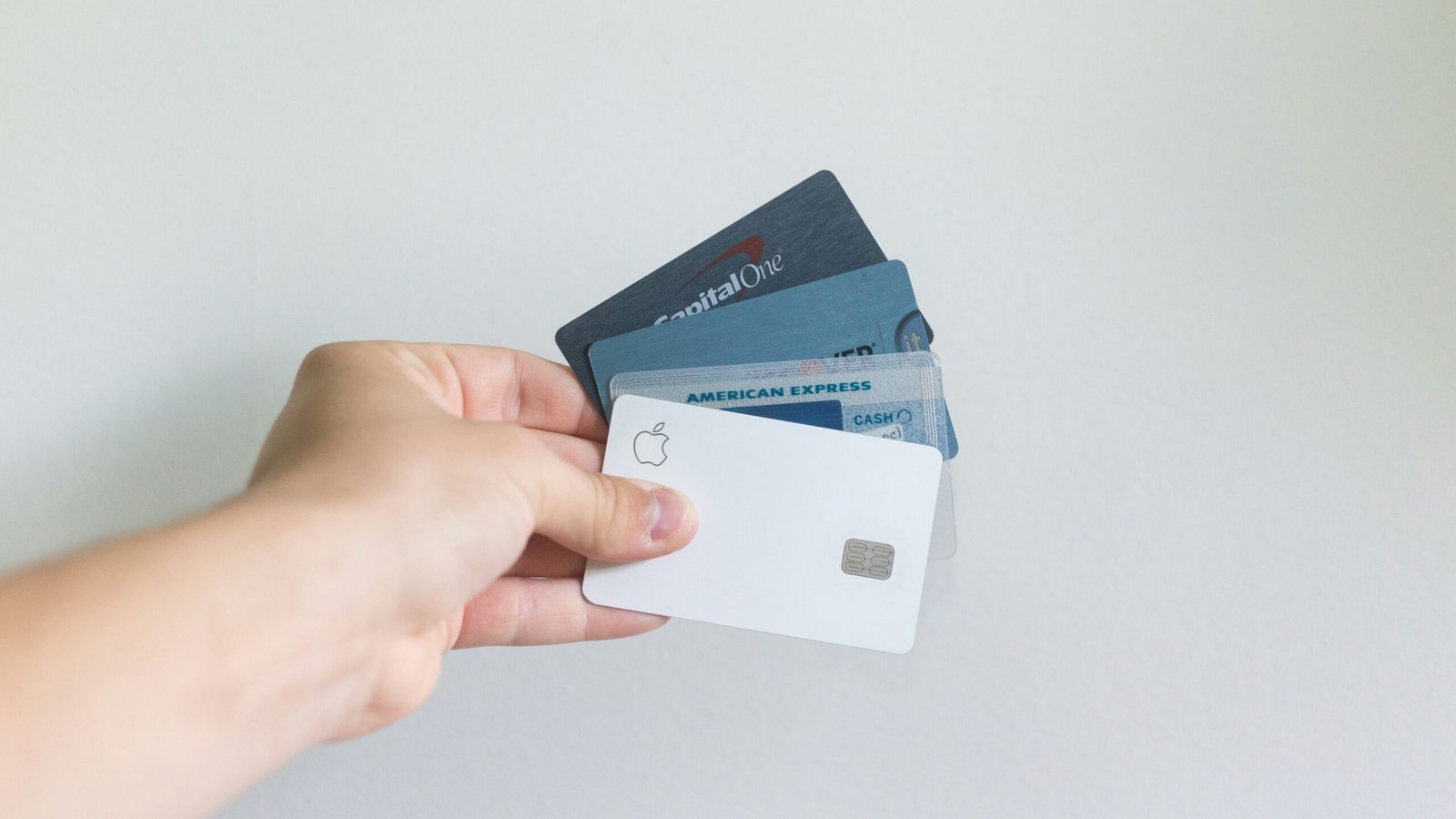
Deja una respuesta